

by Enrico Melozzi
This is installment two of thirteen. The thesis is in installment one and does not change. What follows serves to prove it.
Vienna, Burgtheater, 13 March 1785, third Sunday of Lent. The theatres are closed to opera for the penitential season, and the Tonkünstler-Societät, the mutual-aid society of Viennese musicians that raises funds for the widows and orphans of the profession, fills the gap with its spiritual concerts. That evening, and again on the 15th, the programme features a new cantata by Signor Mozart, on an Italian text on a Davidic subject: Davidde penitente. Admission is paid at the door. On stage, among the soloists, the tenor Valentin Adamberger and the soprano Caterina Cavalieri, two of the composer’s dearest voices. The audience listens to a work it believes was written for the occasion.
The document, in this case, is the music itself, and it is enough to set it beside another to see the mechanism. The catalogue registers it as K 469. But anyone who opens the score next to that of the Mass in C minor K 427 finds the same music: the Kyrie of the mass has become the first chorus of the cantata, Alzai le flebili voci al Signor; the Gloria, movement by movement, has dressed itself in new Italian verses, the double-chorus Qui tollis included, which now sings words of Davidic repentance. Latin syllables were replaced by Italian syllables, where needed a long value was split in two, where needed a word was repeated. To complete the evening Mozart wrote two new arias, one for Adamberger and one, with a spectacular cadenza, for Cavalieri, and nothing else. The bulk of the cantata that Vienna applauded as a novelty was two years old, and had been born for the church.
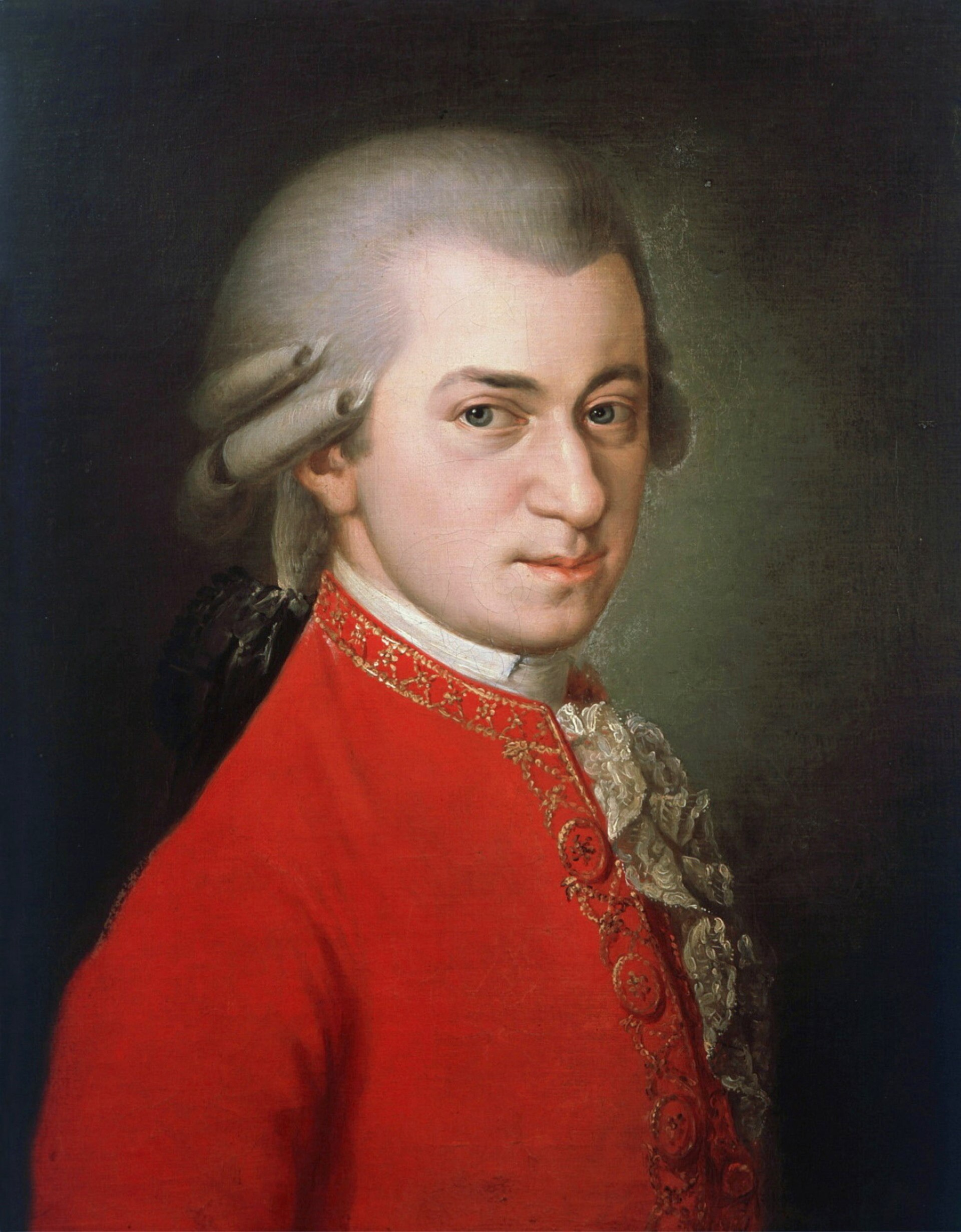
The history of the source makes the precedent even more interesting for our inquiry. The Mass in C minor had been born of a private vow: Mozart had promised it on the occasion of his marriage to Constanze, and had performed it in Salzburg, in the church of St. Peter, on 26 October 1783, with his wife among the solo sopranos. But the mass was, and has remained, unfinished: of the Credo only the first two sections exist, the Agnus Dei was never written. For the Salzburg performance they made do as one made do then, almost certainly by filling in with other sacred music already to hand, according to a practice that in the churches of the time was not news. So: a half-written mass, performed anyway; and two years later, the same half-written mass changes words, changes destination, even changes genre, from liturgy to ticketed concert, by the author’s own hand.
The reasoning, at this point, makes itself, but it is worth spelling out. The procedure has an ancient name, contrafactum: existing music, new text. The tradition had known it for centuries, Bach had built the Christmas Oratorio on it by recasting his own secular cantatas, and the Vienna of 1785 saw nothing irregular in it. But this is not about what others did: it is about what Mozart did, personally, publicly, with his own sacred music, for money and under deadline. The conditions, note well, are exactly those of the Requiem: an occasion that calls for ready sacred music, material of his own judged by the author worthy of a second life, a text that adapts through labour on syllables, not on notes. Whoever maintains that deriving the Requiem’s missing numbers from existing Mozart music would be an outrage against his will must explain why the author, six years earlier, inflicted that outrage on himself, before a paying audience, signing it.
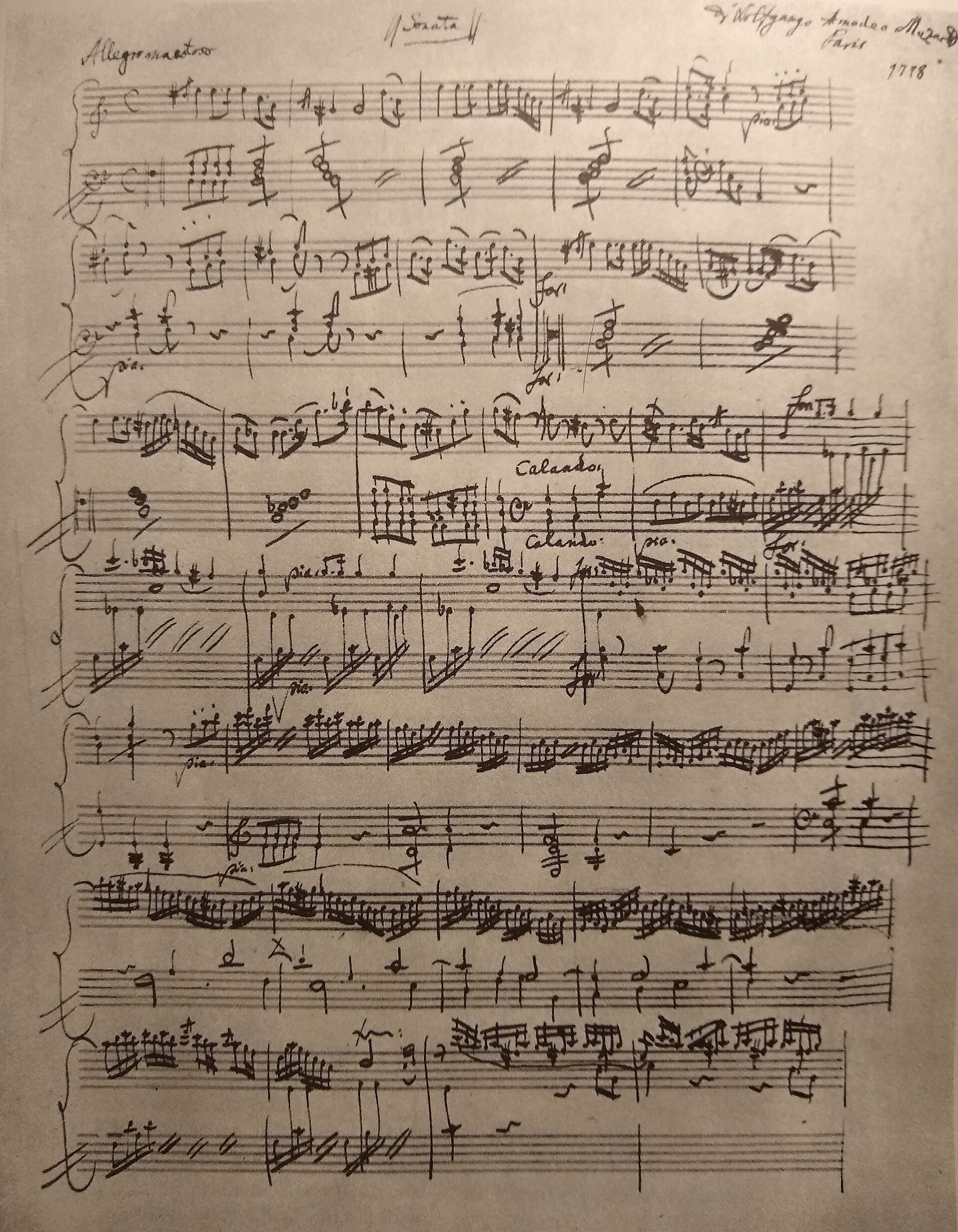
The Davidde, besides, is not an isolated case in the catalogue: it is only the largest. The twelve-year-old had already turned the symphony K 45 into the overture of La finta semplice K 51. The mature conductor of van Swieten’s concerts reorchestrated Handel’s Messiah, K 572, adapting other people’s music to new ears as a tailor updates a suit. And the man of the theatre quoted himself in the finale of Don Giovanni, serving at table Non più andrai from his own Marriage of Figaro. Reuse, in that workshop, was a tool of the trade hanging beside the others: you took it when you needed it, without ceremony. The ceremony we added ourselves, afterwards, when we decided that genius does not recycle. The documents say he recycled very well.
One last fact remains, and it closes this installment. The Tonkünstler-Societät paid, the audience applauded, the critics took note of the cantata of Signor Mozart, and nobody, in March 1785, stood up to cry that this music had already existed with other words. Six years later, the same man left on the table a Requiem missing three numbers.
This chapter is part of Enrico Melozzi’s inquiry into the Requiem. Installment three comes out on Monday 7 September at 6:30 pm, and steps into a Viennese workshop where music was sold by the sheet.