

by Enrico Melozzi
This is installment ten of thirteen. The thesis is in installment one and does not change. What follows serves to prove it.
Constanze Mozart portrayed by Joseph Lange in 1782. Hunterian Art Gallery, University of Glasgow, via Wikimedia Commons (public domain).
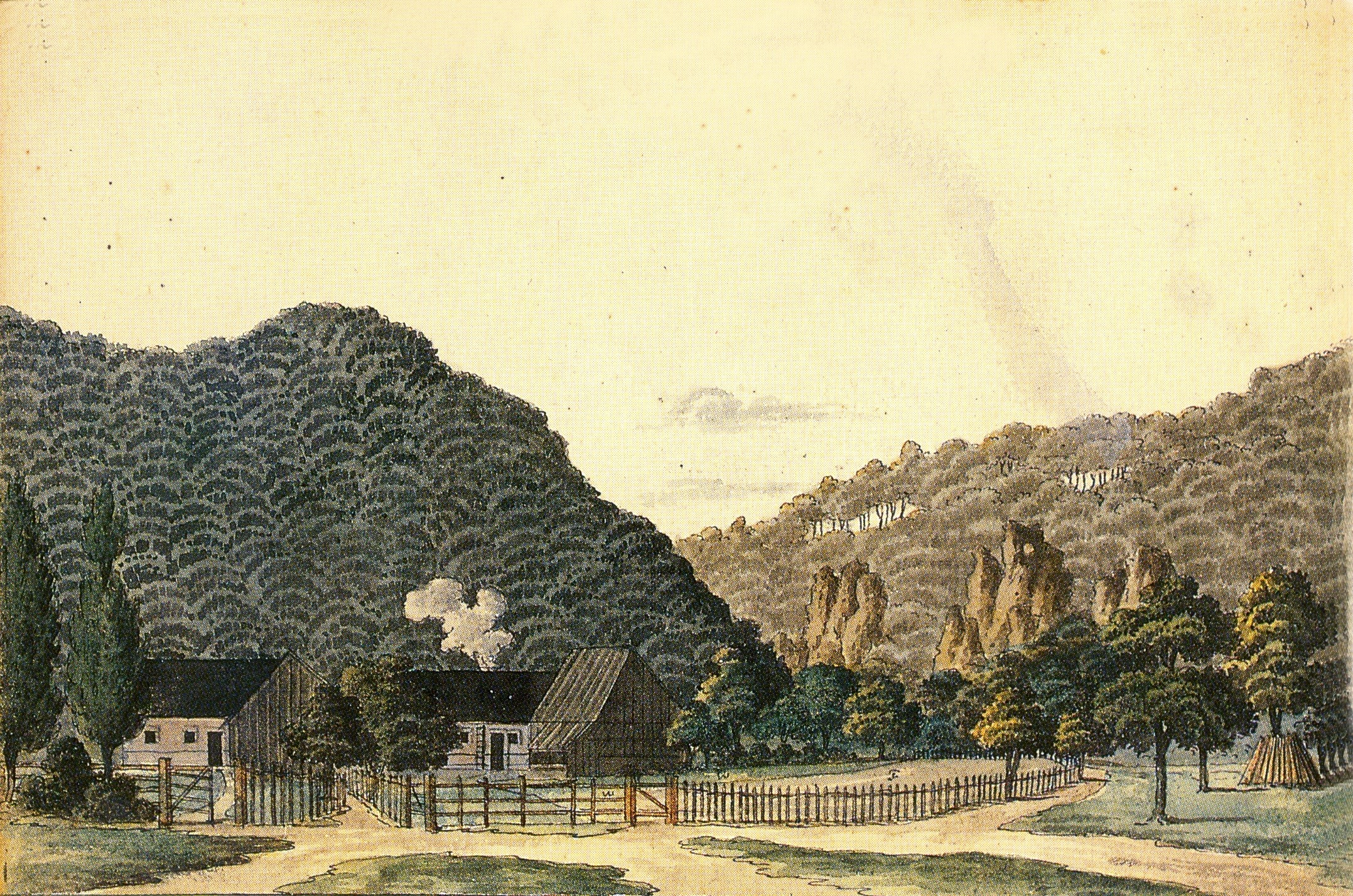
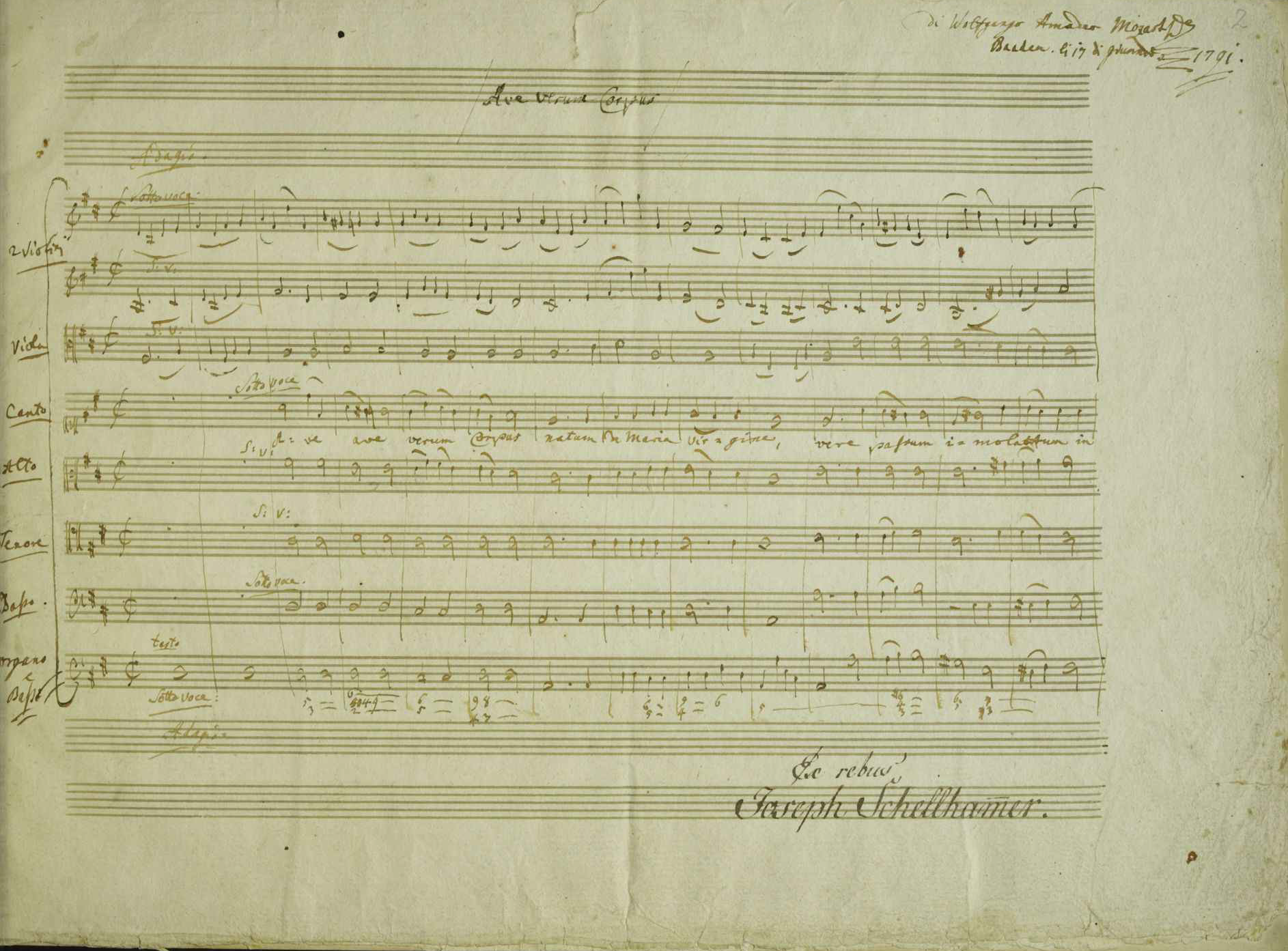
Baden, June 1791. A spa town an hour and a half by carriage from Vienna: sulphurous waters, promenades, a parish with an obliging choirmaster. Constanze Mozart is here for her sixth pregnancy, the second-to-last cure in a series that her ailing legs would require of her for years. This scene the inquiry has already visited: it is the installment on the Ave verum, with Anton Stoll arranging the lodgings and Mozart recommending the details by letter, including the demands for practicality we know from the correspondence: on the ground floor, near the butcher. The husband pays, organizes, writes. But from Vienna, where rehearsals of The Magic Flute and debts to climb out of keep him pinned down.
Beside her, in Baden, there is another man. He is twenty-five, comes from Schwanenstadt, was trained in the school of the Kremsmünster monastery, and has for some time been the musical factotum of the Mozart household: he copies, runs errands, accompanies, keeps the petty accounts. His name is Franz Xaver Süssmayr. The inquiry has already met him twice: in the copyists’ workshop, where musicology unanimously attributes to him the recitatives of La clemenza di Tito delivered under Mozart’s name, and in the widow’s accounts, where his 1800 letter to the publishers claims three numbers of the Requiem. Here he should be looked at closely for what he was in the summer of 1791: the man of the house.
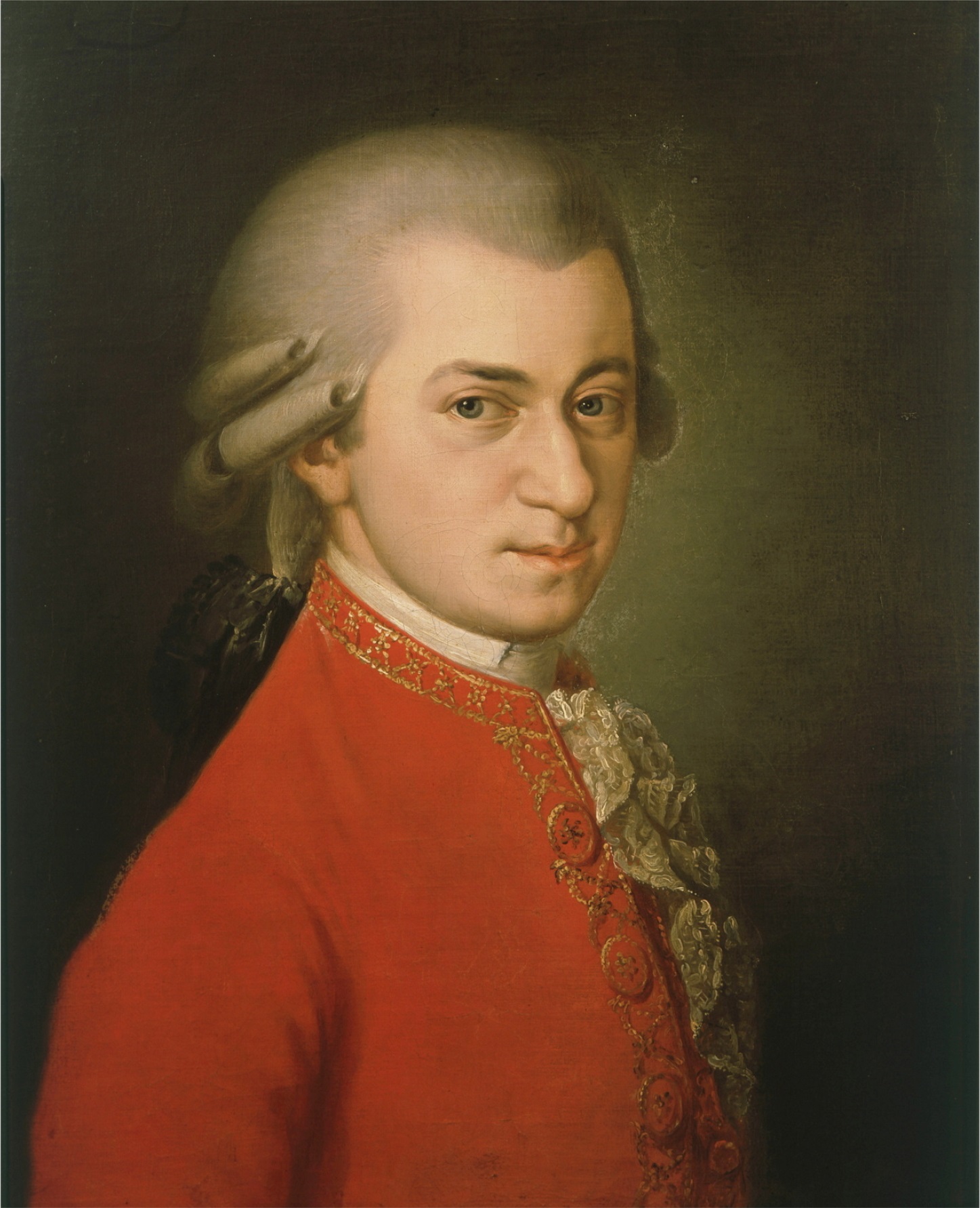
Mozart’s letters to his wife in those weeks are almost daily, and Süssmayr appears in them constantly. Never as a colleague: as a retainer, and as the fixed target of the head of the household’s pranks. Mozart mangles his name, pins clownish titles on him, asks Constanze to pull his ears and to deal him slaps by proxy, dictates errands to him as to an errand boy. The critical edition of the correspondence, the Bauer-Deutsch, preserves all this in black and white. It can be read in two ways, and the inquiry puts both on the table: the tone of a man with nothing to fear from that youngster, or the tone of a man pretending he has nothing to fear. The papers do not choose for us.
There is, however, a problem, and it is an investigator’s problem: the correspondence is a halved document. Constanze’s letters to Mozart no longer exist, not one, and their disappearance has never been explained. Later hands have passed over his surviving ones: words and lines struck out in someone else’s ink, passages that Constanze’s second husband, the diplomat Georg Nissen, editor of the first great biography, marked as not meant for print. One documented example is the Berlin letter of 1789, where whole words turn out to have been crossed out by an unknown hand. Whoever struck them out was protecting something. What, we will never know: and a serious inquiry records the hole without filling it with invention.
On this hole, for two centuries, a rumour has thrived: that to Constanze Süssmayr was not merely her husband’s factotum. In 1983 the English writer Francis Carr, in Mozart & Constanze, turned the rumour into a printed thesis. In 2025 the Sky series Amadeus, five episodes with Will Sharpe as Mozart, Gabrielle Creevy as Constanze and Jyuddah Jaymes as Süssmayr, brought the relationship to the screen without reticence, as avowed fiction. And archival research, which has worked seriously on this affair, has given its verdict: no document proves the relationship, and some evidence that circulated in the past was fabricated. One biography of Constanze went so far as to cite Baden police registers on Süssmayr’s movements: the musicologist Michael Lorenz checked with the city archivist that those registers never existed, for the good reason that a police station opened in Baden only in 1809.
Melos, therefore, will not tell you that Constanze and Süssmayr were lovers: nobody can say so with the papers in hand, and this inquiry publishes only what holds up. It tells you what the documents say, and that is already a great deal. That in the decisive summer of 1791, while the Ave verum was being born in Baden and in Vienna Count Walsegg’s commission was ripening, Süssmayr stood inside the Mozart family the way one of the household does: at the table, in the letters, beside the wife at the spa. That the correspondence that could tell us more was pruned by hands with an interest in pruning it. And that everything that will happen in the following months, the delivery, the completion, the signature, will happen inside this domestic perimeter, not outside it. For the thesis of this inquiry there is no need to enter the alcove: it is enough to be clear about who held the keys to the house.
Why has the rumour, lacking proof as it is, never died? Because two true, documented clues keep feeding it. The first is a name written in a baptismal register of July 1791. The second is the way the completion of the Requiem ended up in the hands of that very young man, and what that work earned him. These are the next two installments.
This chapter is part of Enrico Melozzi’s inquiry into the Requiem. Installment eleven comes out Thursday, October 1, at 6:30 pm: Mozart’s sixth child and the two names he bears in the baptismal register. The inquiry remains collected, in full and for good, on its permanent page.