

Let’s take a brutal criterion and hold to it all the way: a piece counts as a hit if a person who has never studied music recognises it within five seconds, without knowing whose it is. It is not a noble criterion. It is, however, the only one that really describes how the repertoire works, that is, which twenty minutes of music out of four hundred years have made it all the way to the dentist’s waiting room.
By that measure, most of the composers who fill the textbooks have a single hit.
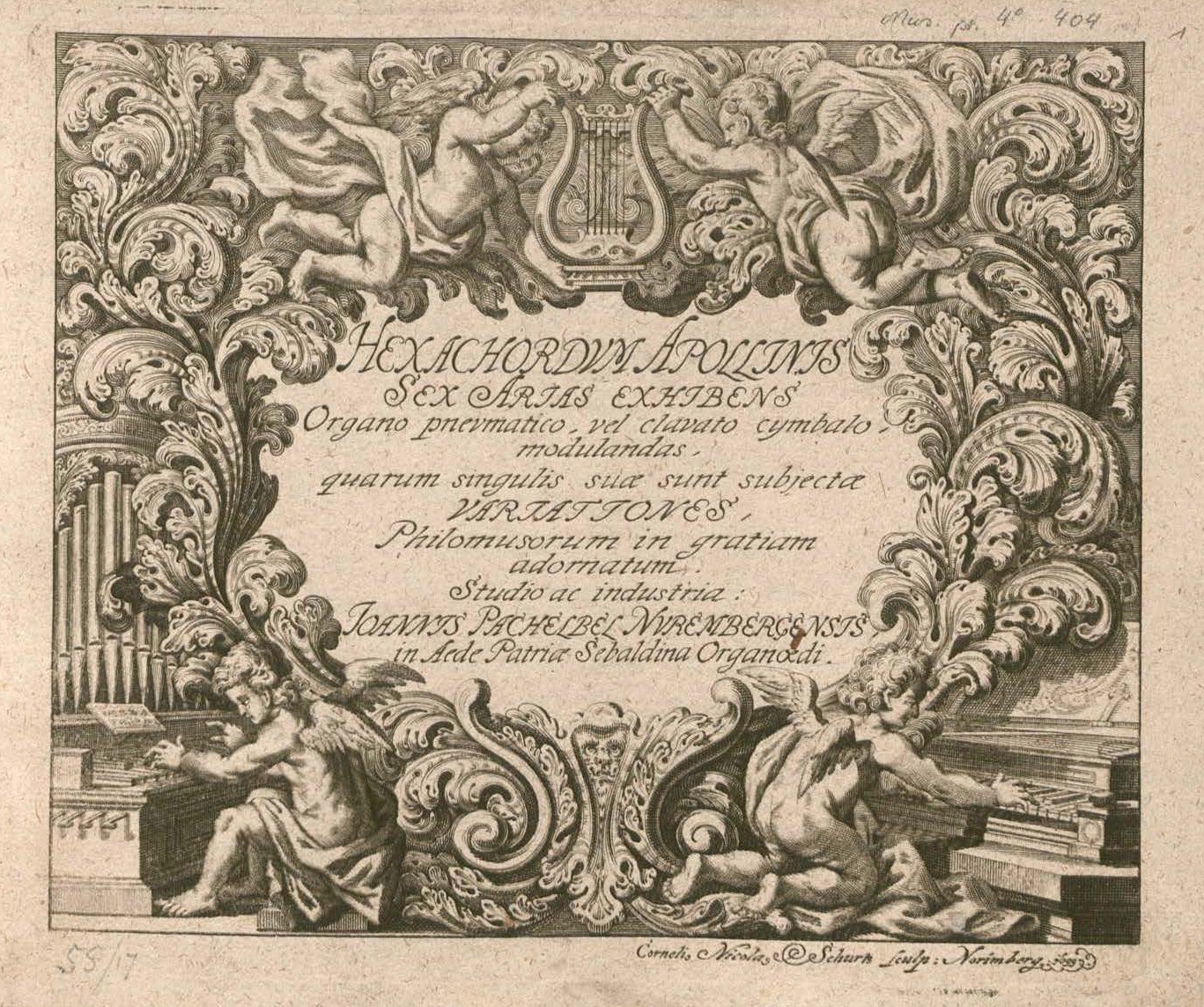
Pachelbel has one: the Canon. Albinoni has one: the Adagio. Boccherini has one: the Minuet. Ponchielli has one: the Dance of the Hours. Mascagni has one: the Intermezzo. Dukas has one: The Sorcerer’s Apprentice. Bruch has one: the first violin concerto. Rodrigo has one: the Aranjuez. Orff has one: the opening of Carmina Burana, which is, after all, about fifty minutes of music of which the world knows ninety seconds. Widor has one: the Toccata, and it is played almost only at the end of weddings. Barber has one: the Adagio, which is the second movement of a string quartet arranged for orchestra, and nobody knows the quartet exists.
Then there is the thin band of those who have two or three. Grieg has two, Peer Gynt and the piano concerto. Saint-Saëns has two, the Carnival of the Animals and the Danse macabre, and in between sit thirteen operas that nobody performs. Holst has one and a half, because everyone recognises Mars and only the English recognise Jupiter.
Above five hits the names are few, but one hand is not enough to count them: it takes two. Beethoven, Mozart, Bach, Vivaldi, Chopin, Verdi, Puccini, Rossini, Tchaikovsky, Johann Strauss the father and Johann Strauss the son. That makes eleven names. Eleven, out of all the music written in Europe from the sixteenth century to today.
So far this is a game for the bar. It becomes an article because of two stories inside the list.
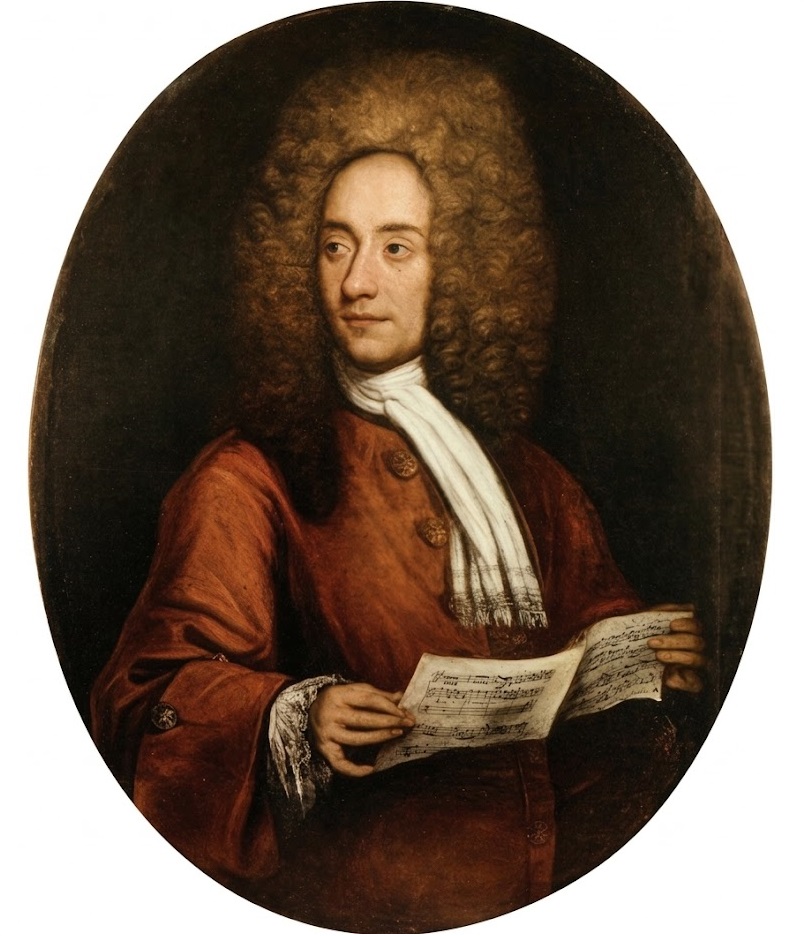
The first. Albinoni’s Adagio is not by Albinoni. It was written by Remo Giazotto, a Roman musicologist and Albinoni’s biographer, and published by Ricordi in 1958 under a title that said almost everything: adagio for strings and organ on two thematic ideas and a figured bass by Tomaso Albinoni. Giazotto said he had drawn that fragment, a few bars of melody and bass, from the Sächsische Landesbibliothek in Dresden just after the war. He never showed the fragment to anyone, and the librarians in Dresden have never found any trace that it existed. The copyright was his.
So the composer most played at funerals in Europe has a single hit, and it is not his. It belongs to a man of the twentieth century who knew perfectly well that, under his own name, nobody would have played it.
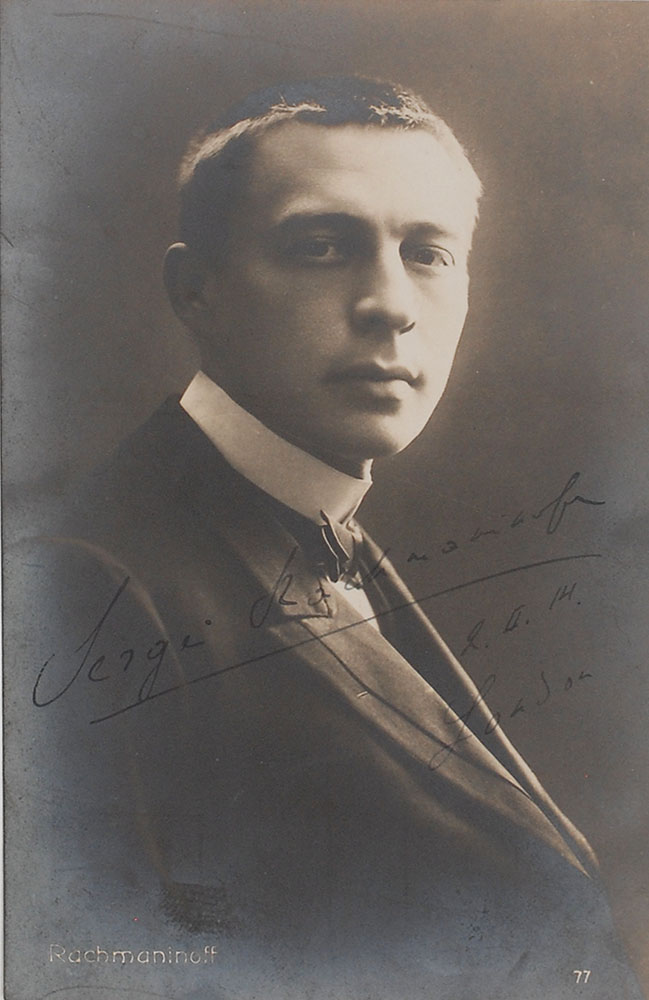
The second story is about money, and it deserves a close look because it is still current. In 1892 a nineteen-year-old boy wrote a prelude in C-sharp minor and played it on 26 September at an electrical exhibition in Moscow. His name was Sergei Rachmaninoff. The publisher paid him forty roubles, two months’ wages for a factory worker, and that was the end of it, because Russia had not signed the Berne Convention and paid nobody anything in copyright. Forty roubles, once only, for one of the most played piano pieces of the century.
That is not even the worst of it. The worst is that he carried it around for forty years. In America audiences called it the Bells of Moscow, and in the halls, at the end of concerts, they shouted “C-sharp” until he played it. He called it his Frankenstein and said he had wished many, many times that he had never written it. A man who composed three symphonies and four concertos spent half his career repeating as an encore a four-minute piece written at nineteen, without seeing a rouble from it.
Now let’s set it beside popular music, because the comparison says more than any commentary.
In pop there is a word for this: one-hit wonder. It is a recognised category, with a pinch of condescension inside it, and the artists who end up there know it. Then there are the catalogues: whoever has twenty songs that everybody sings lives off them forever, because rights expire seventy years after death and in the meantime they pay every time a supermarket turns on its sound system.
In classical music exactly the same thing happens, with two differences. The first is that we do not like the word, and we call it repertoire. The second is that the hit no longer pays anyone: it is in the public domain, and the only person who earns nothing from Pachelbel’s Canon is Pachelbel.
The real question remains. Why does that piece survive and not another?
The answer has little to do with quality, and those who work in the trade know it. What survives is what is short. What can be detached from its context without breaking, and indeed Boccherini’s Minuet comes from a quintet that nobody listens to and Barber’s Adagio from a quartet that nobody listens to. What survives is what serves some other purpose: getting married, burying the dead, selling a product, ending a film. What survives is what can be sung without words. And what survives, above all, is what someone recorded at the right moment, because until 1900 the repertoire was decided by conductors and from 1950 on it has been decided by records.
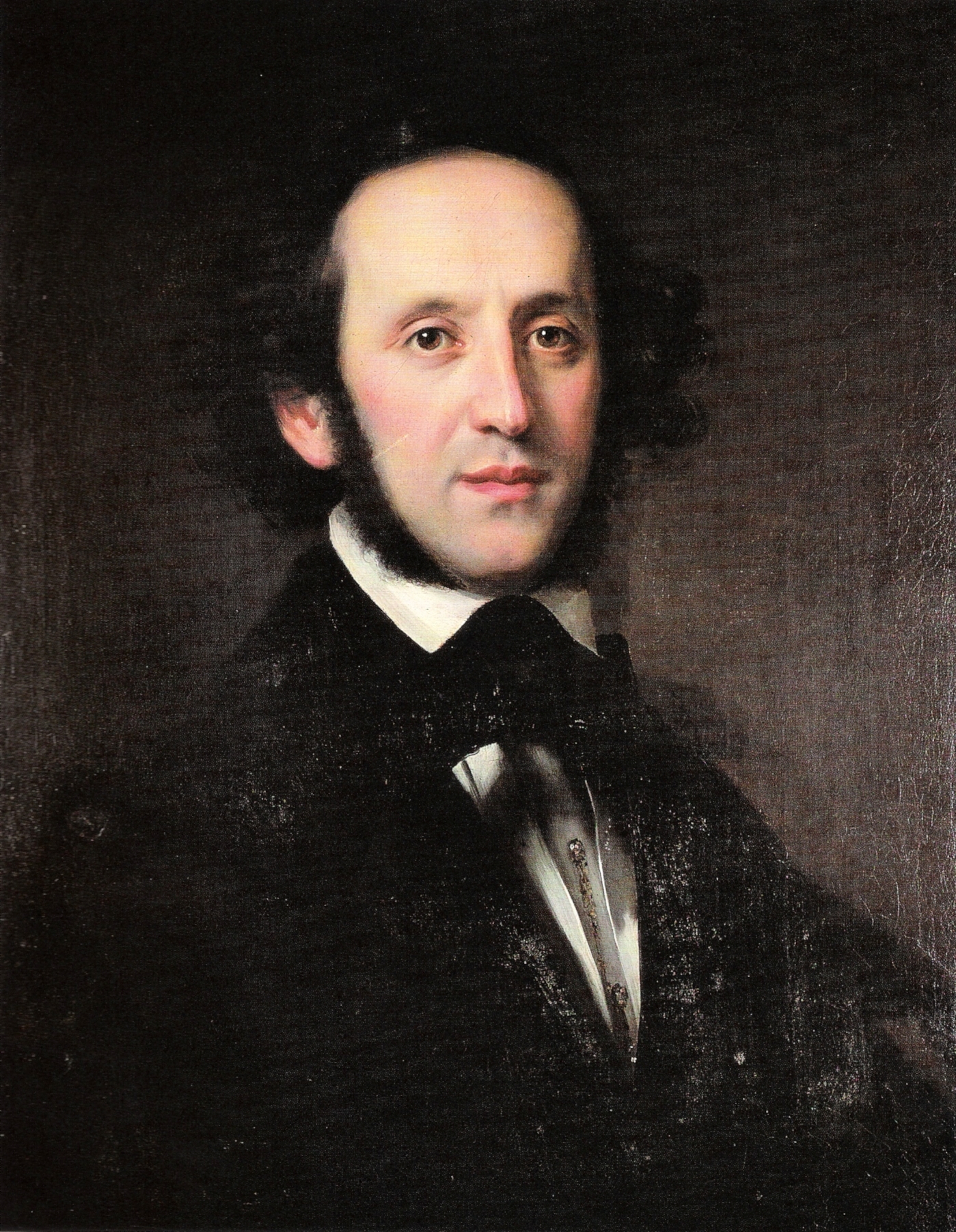
There is one last fact that nobody ever lines up. Of those eleven names standing above five hits, nine wrote for the theatre or for dance, that is, for an audience that paid for a ticket that evening and could get up and leave. The only ones who did not are Chopin and Bach, and Bach has reached us because, seventy-nine years after his death, a twenty-year-old named Mendelssohn put the St Matthew Passion back on its feet.
The repertoire is a chart. Nobody compiled it, it has no editorial staff, and there is no appeal.