
da Enrico Melozzi | 25/09/2026 | Ascolti, Melos, Officina
Feodor Chaliapin as Boris Godunov, 1912. Via Wikimedia Commons (public domain).The fact, if you think about it without habit, is physically absurd: one person alone, with no amplification whatsoever, is clearly audible above an orchestra of eighty instruments, in a... 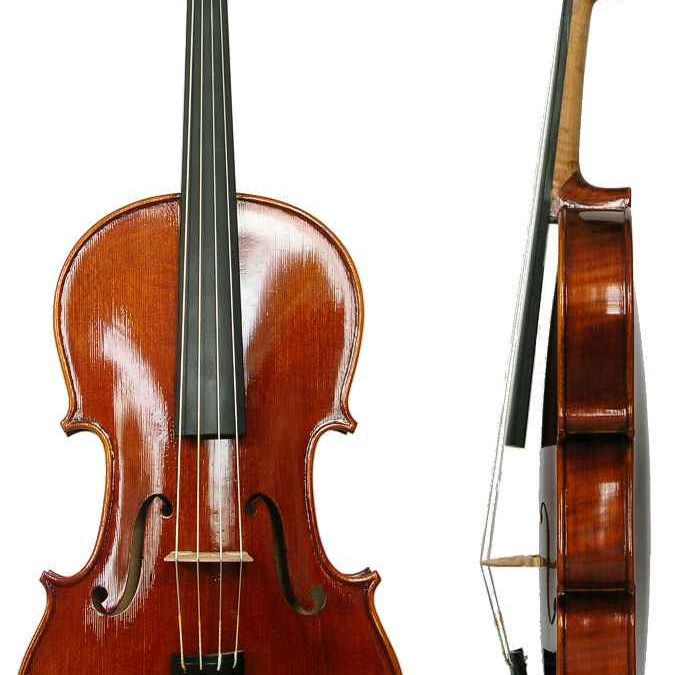
da Enrico Melozzi | 22/09/2026 | Melos, Officina
A viola. Via Wikimedia Commons.Anyone who has opened an orchestral score has met the anomaly: every staff begins with one of the two clefs we learn as children, treble and bass, except one. The viola staff carries a different symbol, a sort of stylized three with its... 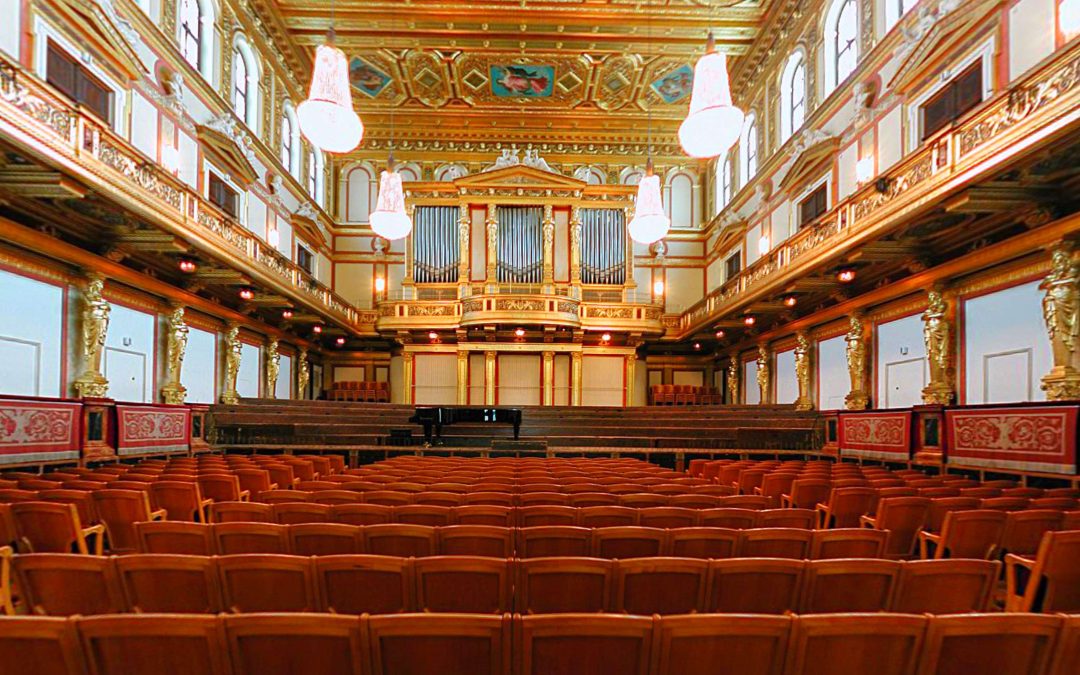
da Enrico Melozzi | 16/09/2026 | Melos, Officina
The Golden Hall of the Musikverein, Vienna. Via Wikimedia Commons.Ask an orchestra which three halls have the most beautiful sound on the planet and the answer, with minimal variations, will be: the Musikverein in Vienna, the Concertgebouw in Amsterdam, Symphony Hall... 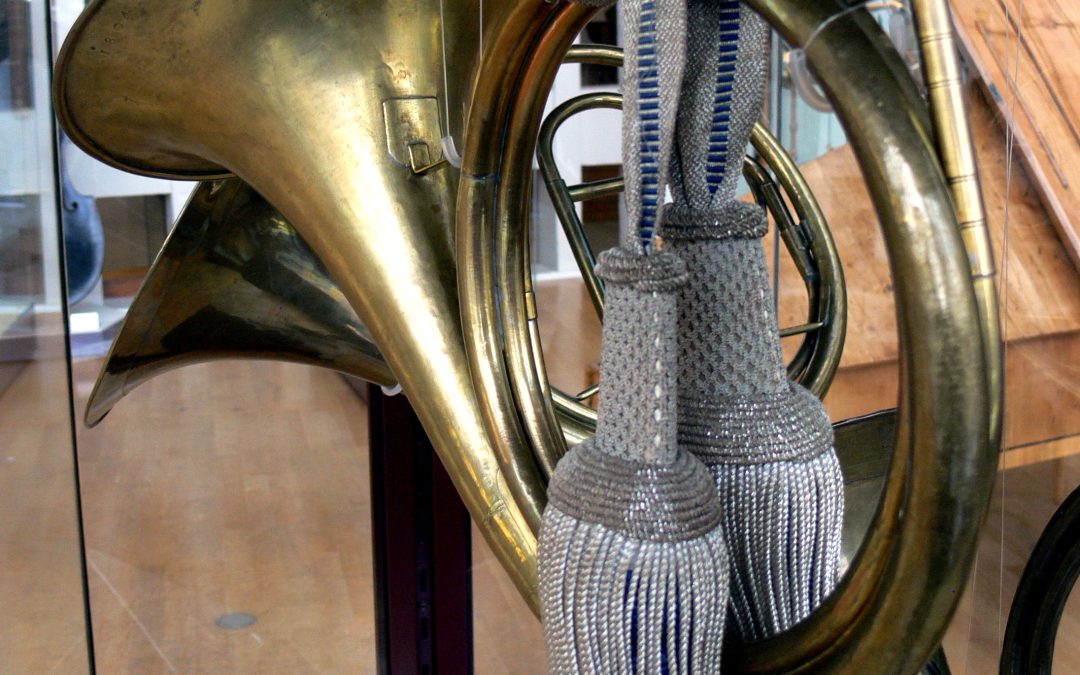
da Enrico Melozzi | 13/09/2026 | Melos, Officina
A natural horn. Via Wikimedia Commons.The horn that plays in the symphonies of Haydn, Mozart and the early Beethoven was a coiled tube and nothing more: no valves, no machinery. An instrument like that can produce only the natural harmonics of its length, a scale full... 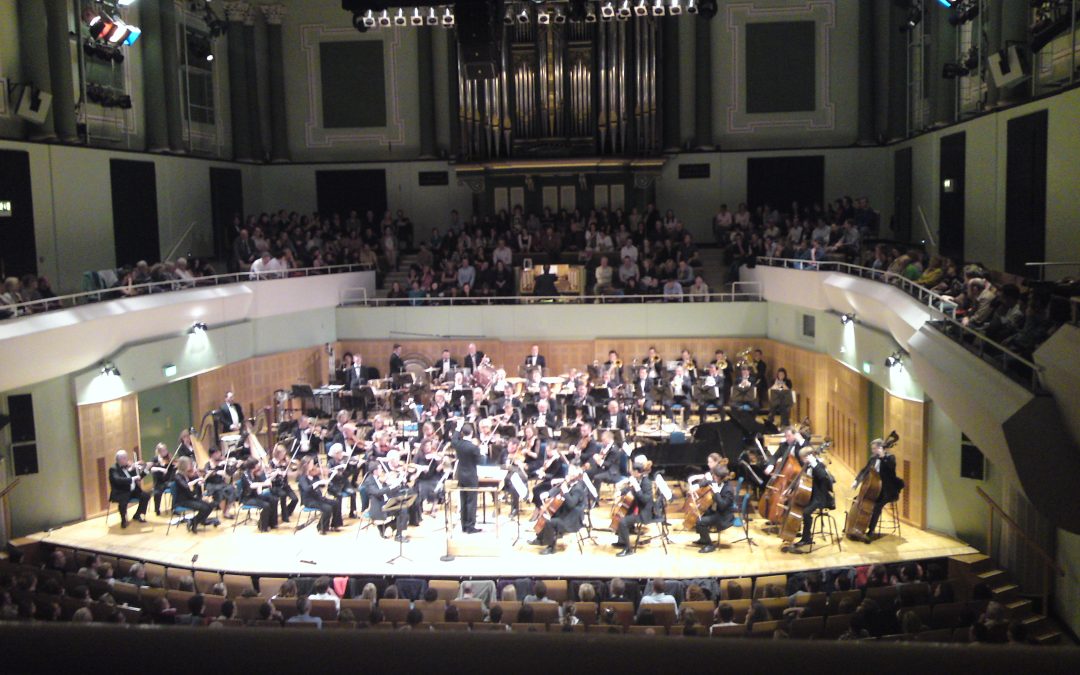
da Enrico Melozzi | 08/09/2026 | Melos, Officina
An orchestra on stage. Via Wikimedia Commons (CC BY).There is a small ritual before every concert, and the audience applauds it without quite knowing why. The orchestra is already fully seated, and one last violinist walks on, alone, takes the applause, gives a nod to... 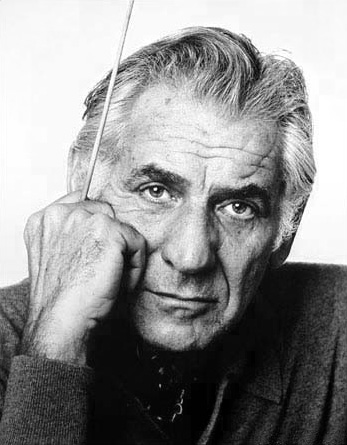
da Enrico Melozzi | 04/09/2026 | Melos, Officina
Leonard Bernstein. Photo by Jack Mitchell, via Wikimedia Commons (CC BY-SA 4.0).The question always comes, sooner or later, from anyone watching a concert: but what does the conductor actually do? Don’t the musicians already read everything from the part? The...
