da Enrico Melozzi | 03/09/2026 | Melos, Officina
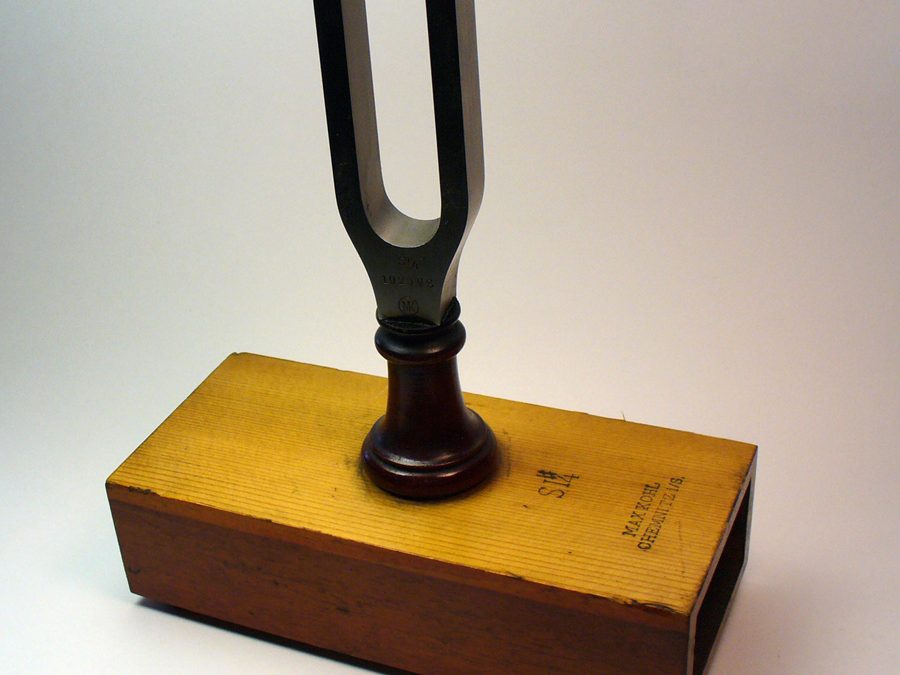
Tuning fork on a resonating box. Via Wikimedia Commons.When the oboe gives the A and the orchestra tunes up, that sound vibrates four hundred and forty times a second. It looks like a fact of nature, like the boiling point of water. It is not: it is the result of a... 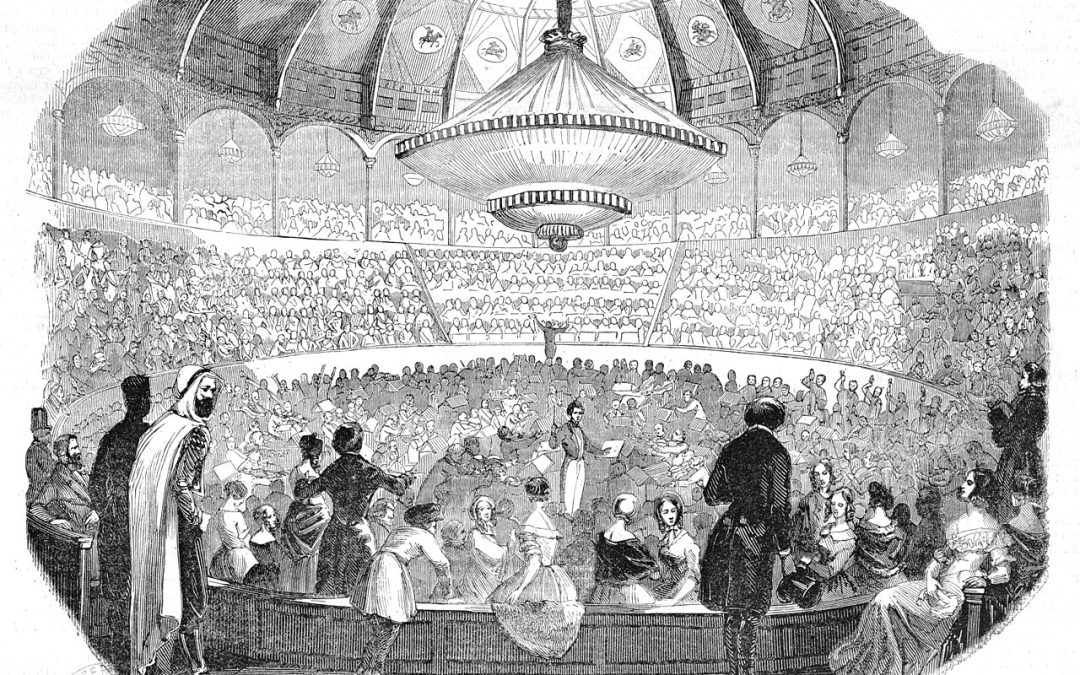
da Enrico Melozzi | 26/08/2026 | Melos, Officina
Concert of Hector Berlioz at the Cirque Olympique, “L’Illustration”, 25 January 1845. Bibliothèque nationale de France, Gallica, via Wikimedia Commons (public domain).Looking at an orchestra from the stalls you see an arrangement that seems obvious: violins on... 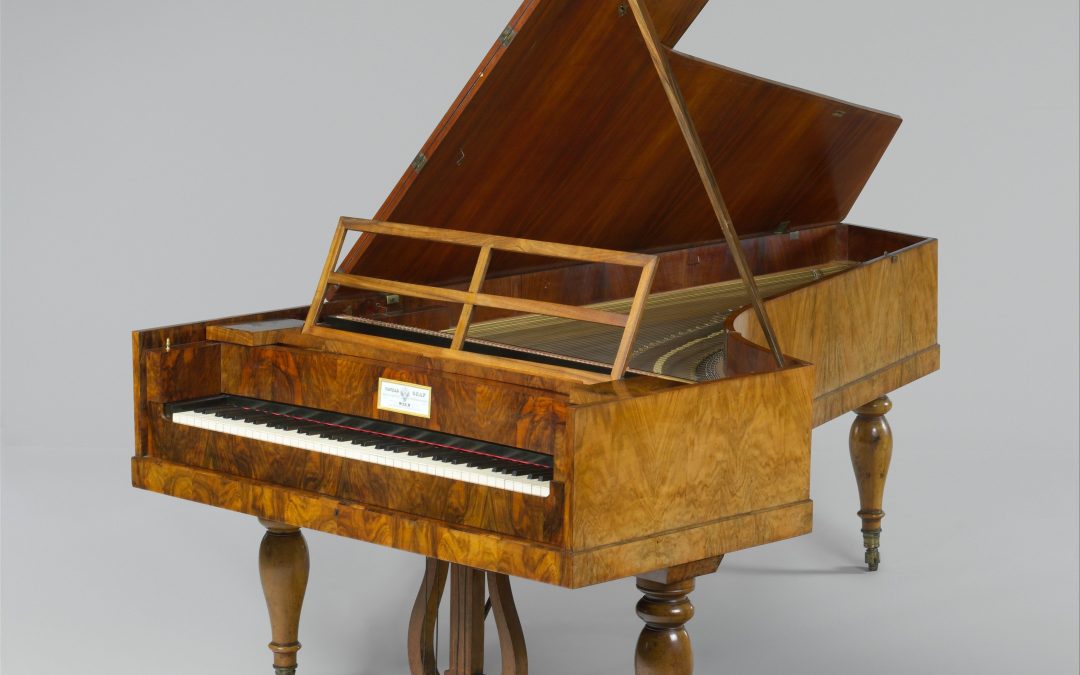
da Enrico Melozzi | 26/08/2026 | Melos, Officina
A concert piano has eighty-eight keys: fifty-two white and thirty-six black, from the lowest A to the highest C, seven and a quarter octaves. It is a number that seems natural and is not. It is the result of a century and a half of commercial warfare between... 
da Enrico Melozzi | 26/08/2026 | Melos, Officina
Before every concert the same scene unfolds. The orchestra is seated, the first violin stands up, looks towards the winds, and an oboe plays a long note. Everyone tunes to that. Nobody ever explains why it falls to the oboe, and the reason has nothing to do with the... 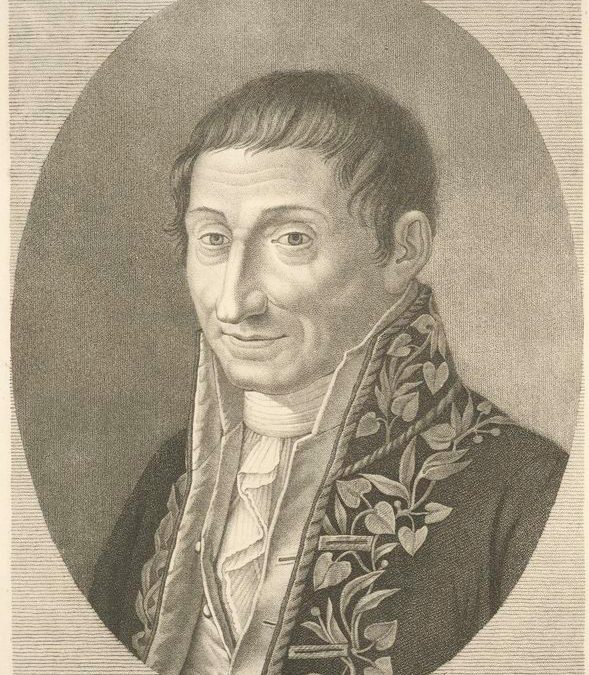
da Enrico Melozzi | 26/08/2026 | Il Sistema, Melos, Officina
Portrait of Fedele Fenaroli. Via Wikimedia Commons (public domain).Between 1650 and 1800, four orphanages in Naples produced most of the composers of Europe. Santa Maria di Loreto, Sant’Onofrio a Capuana, the Pietà dei Turchini, the Poveri di Gesù... 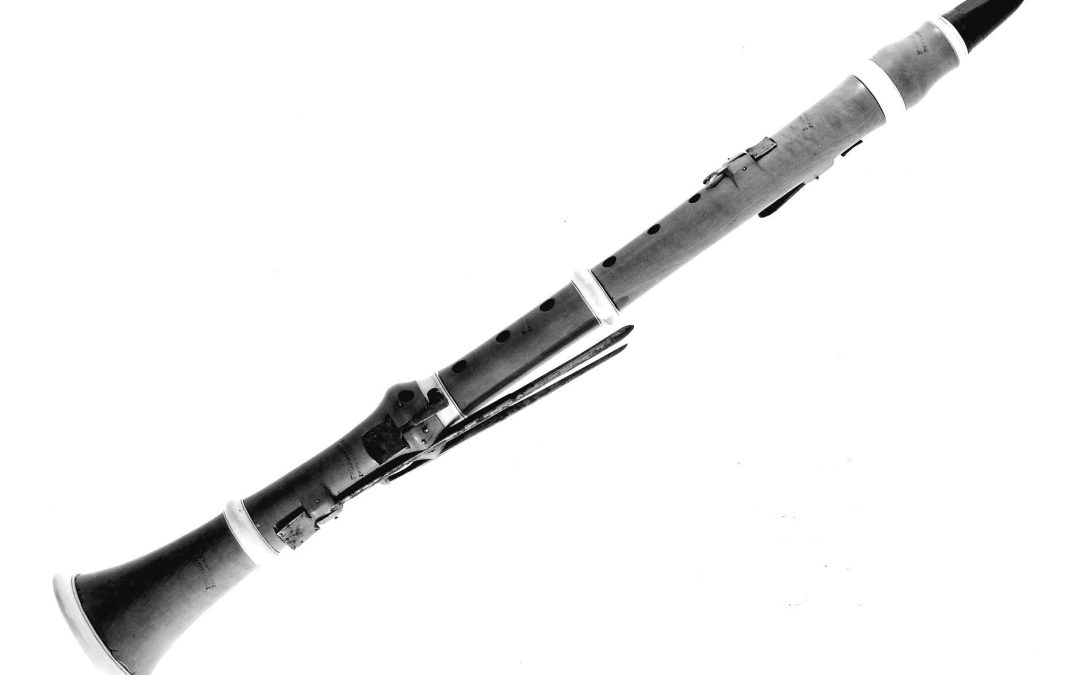
da Enrico Melozzi | 26/08/2026 | Melos, Officina
Clarinet in B-flat, Graves & Company, Winchester (New Hampshire), ca. 1830-40. The Metropolitan Museum of Art, Open Access (public domain).A clarinettist reads a C and a B-flat comes out of the instrument. It is not a mistake and it is not a quirk: it is the rule...
