

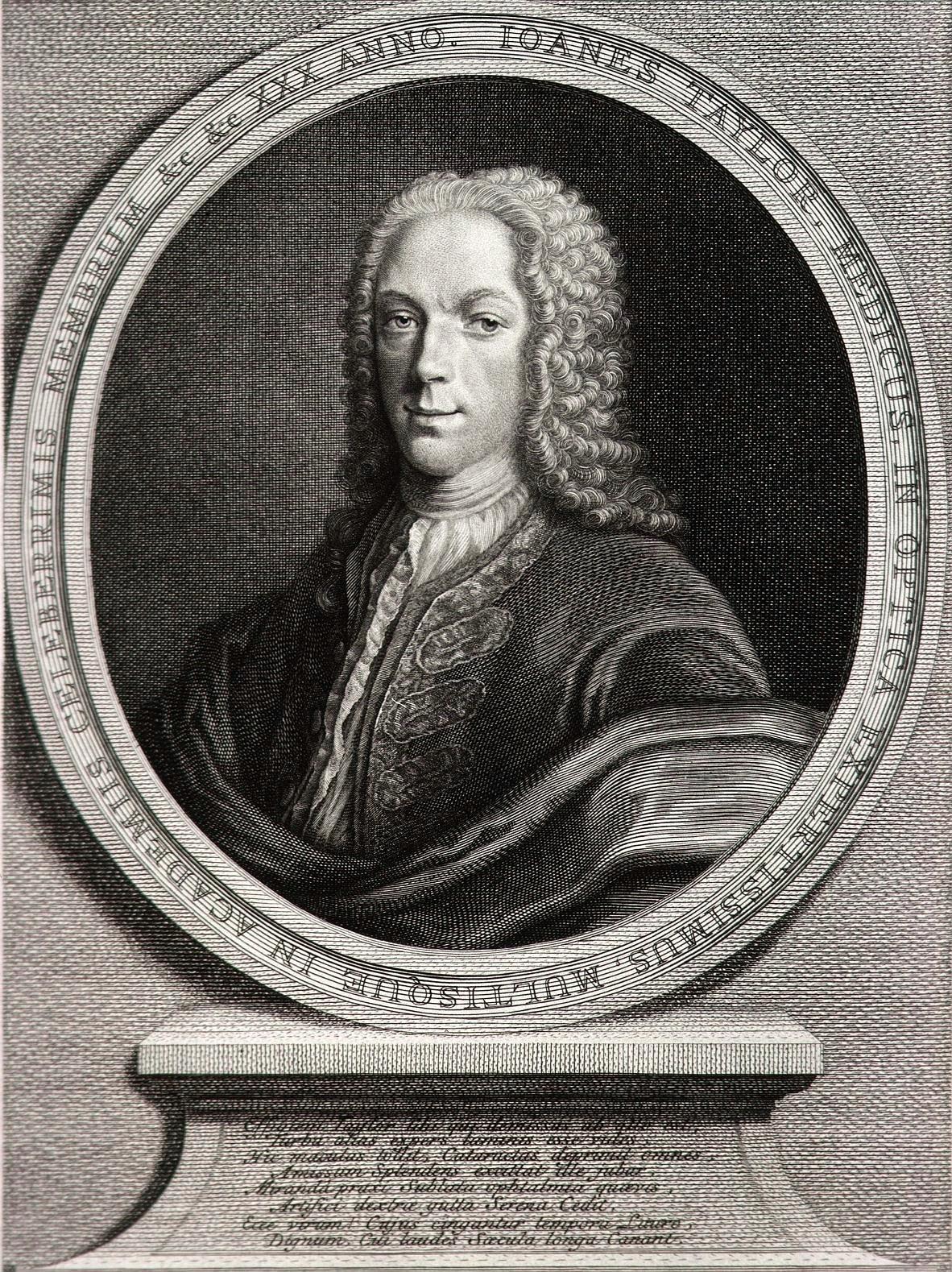
In the spring of 1750 an Englishman who called himself the Chevalier arrived in Leipzig. He travelled in a coach painted with eyes, announced himself in the newspapers weeks ahead of time, and lectured in public in a Latin of his own invention. His name was John Taylor, he had been born in Norwich around 1703, and his speciality was couching: a needle enters the eye from the side, touches the lens clouded by the cataract and pushes it back, out of the path of the light. The technique is two thousand years old, they knew it in India, and for a few days it really does work. Then, with no antisepsis and no way of controlling the pressure inside the eye, the eye becomes infected or hardens, and what had been partial darkness turns into total darkness.
Taylor operated on Johann Sebastian Bach twice within a few days. Bloodletting and purges followed, along with an eyewash of his own devising made of pigeon’s blood, powdered sugar and roasted salt. Then he left, as he always did, before the bandages came off. Bach did not recover his sight, grew worse for weeks, suffered a stroke and died on 28 July, at sixty-five.
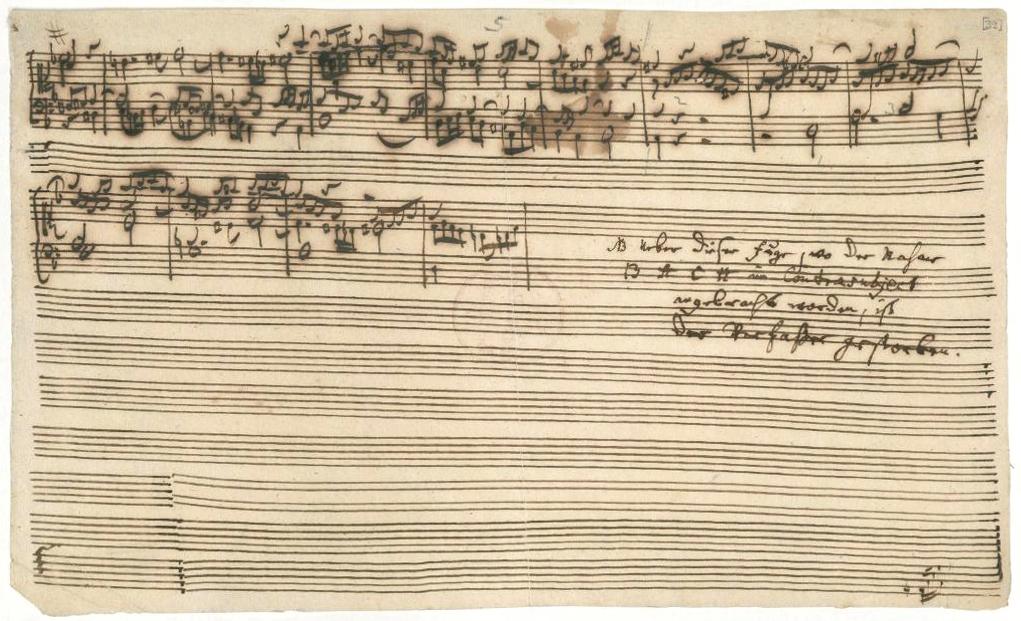
On the manuscript of The Art of Fugue, where Contrapunctus XIV stops dead at the bar in which the four notes B-flat, A, C, B had just entered, that is B-A-C-H, his son Carl Philipp Emanuel wrote that the composer had died over this fugue. Twentieth-century philology has taken the scene apart: those pages probably predate his illness, and the fugue stops for reasons that have nothing to do with a man expiring on the staff. But the mark remains, and anyone who has ever played that passage knows what happens when the sound dies halfway through an entry. The hands stay still on the keys and the hall does not know what to do.
So far this is a sad story from the eighteenth century, and one could close it by saying those were other times. The news is something else.
In August 1758, at Tunbridge Wells, the same John Taylor laid his hands on the eyes of George Frideric Handel.
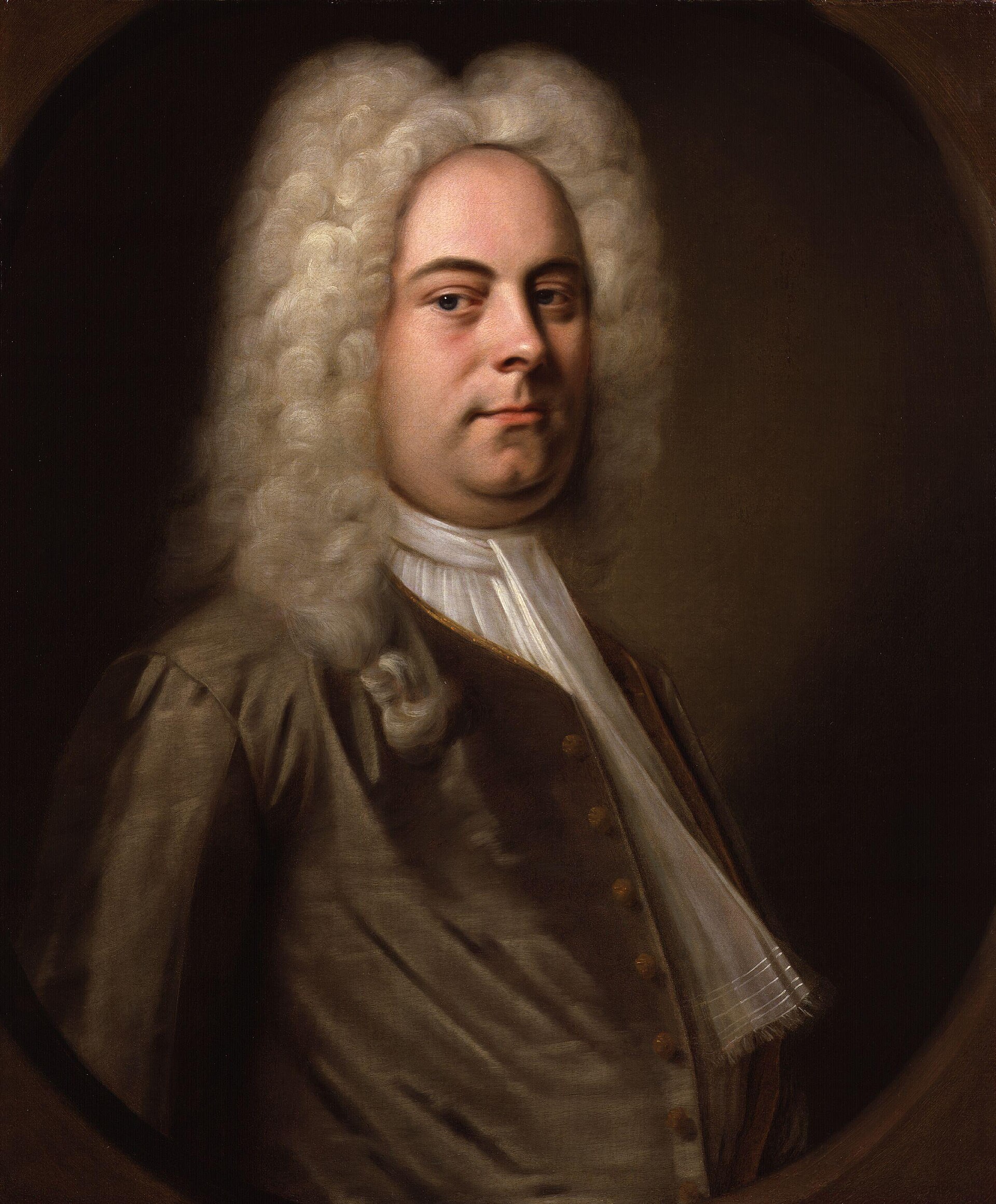
We have to be precise, because the legendary version does him a favour he does not deserve. Handel had been losing his sight for years, since 1751 at least, when his left eye failed while he was writing Jephtha and he noted it on the score as he broke off work. Taylor did not blind him. He stepped in when the sight was already nearly gone, the last of several interventions and the only one documented under that name, and after that there was nothing left to try. Handel died on 14 April 1759, eight days after conducting Messiah for the last time at Covent Garden.
Now the facts, in a row. Two men born in the same year, a month and a hundred and fifty kilometres apart, who had never met and whom the rest of Europe already regarded as the two poles of the same art, passed under the same needle, held by the same hand, eight years apart. Not two surgeons. Not two schools. One man.
Tell this to a musician and the first instinct is not to believe it. The second is to ask how many others.
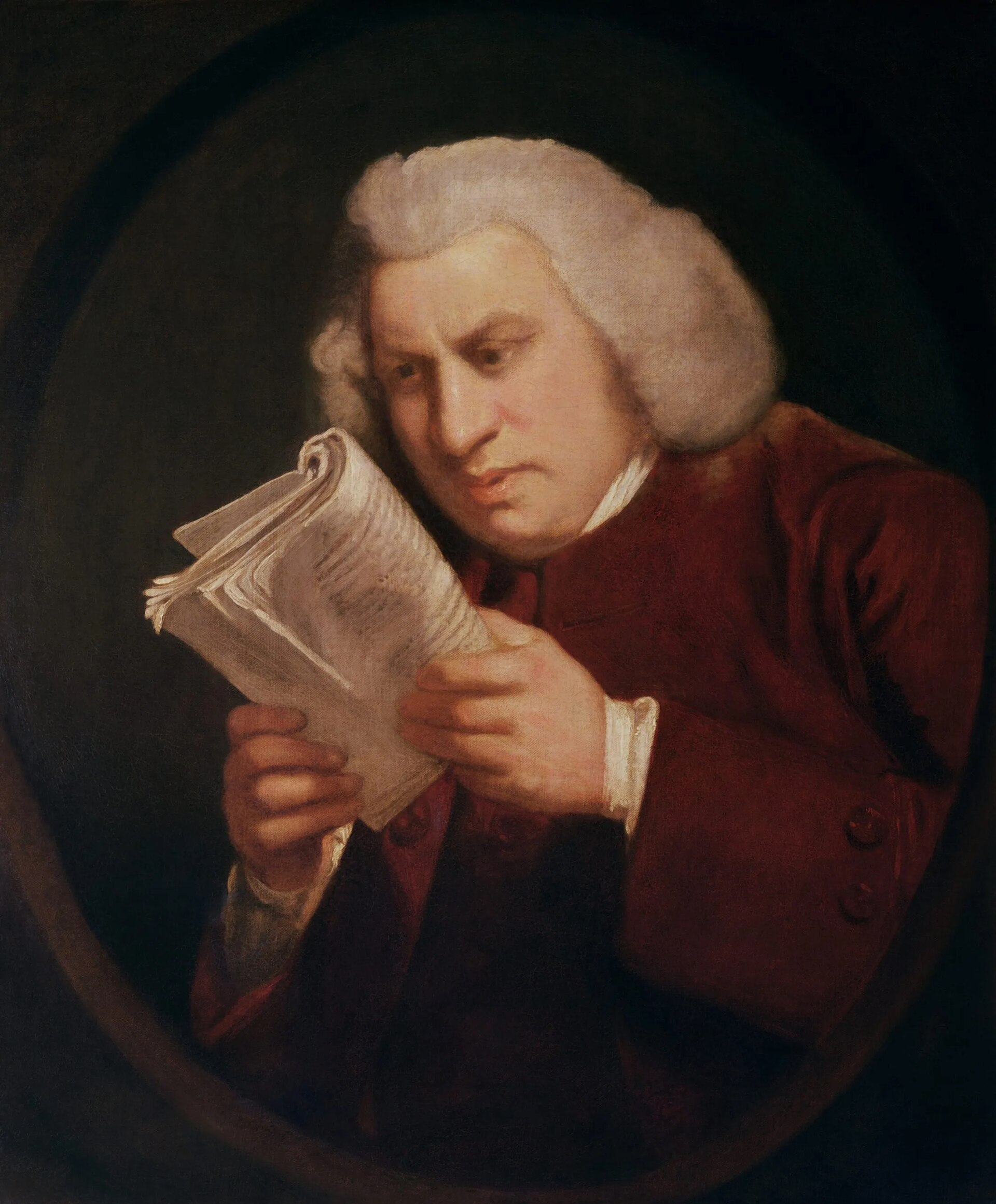
Here the answer is missing, and this is the point at which the story stops being a curiosity. Taylor worked for forty years, crossing Europe, and his commercial method consisted of leaving town before his patients noticed the result. In Switzerland, according to the chronicles of the time, he admitted to having blinded hundreds. There is no register. In 1755 Pope Benedict XIV recognised his title of Chevalier, he had been oculist to King George II, and in 1761 he published his autobiography in two volumes, in which he presents himself as the greatest oculist in Europe and tells of treating kings and princes. Among his patients was the historian Edward Gibbon. Samuel Johnson, who had met him, waved him away by calling him an example of how far impudence can carry ignorance.
Then there is the ending, and no novelist would dare to write it like this. John Taylor died blind. The sources that record his death, between 1770 and 1772, speak of amaurosis, and they cannot even agree on the city: Rome, Paris or Prague. The man who for forty years had been paid to restore sight died without it, in a place no one has managed to establish.
One last thing, which changes nothing and which, once heard, is not forgotten. The man who blinded Bach and Handel was named John Taylor, exactly like the bassist of Duran Duran. That band also had a Roger Taylor on drums and an Andy Taylor on guitar, three Taylors with no kinship among them, and the Roger Taylor everyone thinks of, the one from Queen, is yet a fourth. England’s most common surname has crossed three centuries and changed trades: in the eighteenth century it sold sight, in the twentieth it sold records.
What remains is the question that interests us more than the chronicle. We know Bach and Handel because they were Bach and Handel. But how many provincial organists, how many chapel masters, how many court-orchestra violinists passed under that same needle and stopped working without their names ever reaching a line of newsprint? In the eighteenth century a blind musician was not a musician with a difficulty. He was a man without a trade, because the part was read at sight and the copy arrived the morning of the rehearsal.
There is one detail that is worth more than all the rest, and it concerns the craft, not medicine. Handel, by then blind, kept appearing in public for organ concerts, and what he played was no longer written down: he improvised, because it was the only thing that could be done without seeing. The London public went to hear a man who had lost his sight and in exchange had regained the freedom of having no page in front of him. Bach, in the same months in which he could no longer correct his own manuscripts, kept working by dictation.
Neither of them stopped. They only stopped using the pen.