

by Enrico Melozzi
This is instalment eleven of thirteen. The thesis is in instalment one and does not change. What follows serves to prove it.
Franz Xaver Wolfgang Mozart as an adult, portrait by Karl Gottlieb Schweikart, 1825. Via Wikimedia Commons (public domain).
Vienna, 26 July 1791. In the apartment on the Rauhensteingasse the sixth child of Wolfgang and Constanze Mozart is born, the second who will survive infancy. Four months and nine days later, in the same apartment, his father will die. In the baptismal register the child is entered under the names Franz Xaver Wolfgang. At home, nobody will ever use those first two names: to his mother he will be simply Wolfgang, as an adult he will present himself to the world as Wolfgang Amadeus Mozart junior, and under that stage name he will work as a pianist and composer until his death, in Carlsbad, in 1844. The two baptismal names stay where they were written: in the register. And they are, to the letter, the names of the household factotum: Franz Xaver Süssmayr.
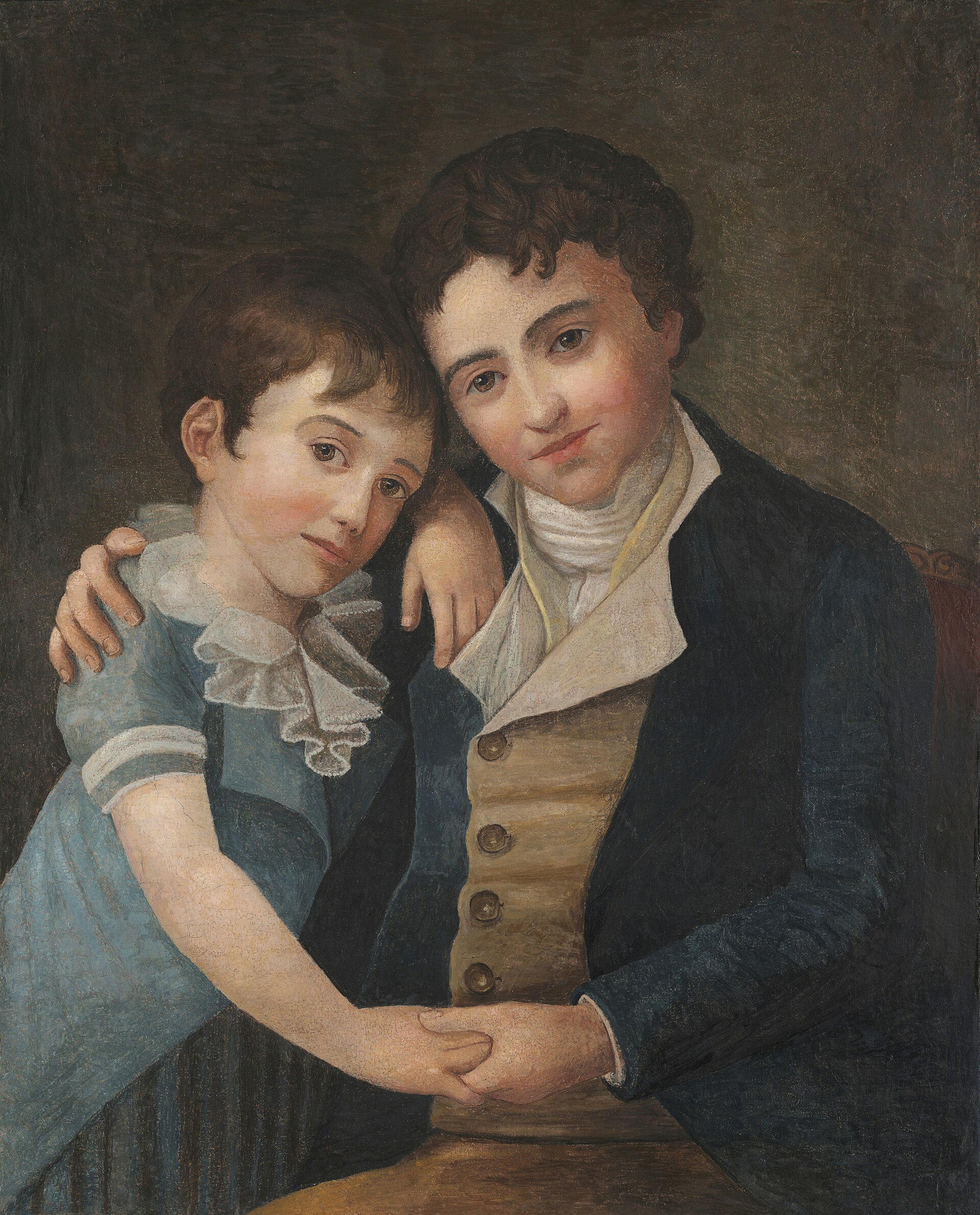
An inquiry cannot stop at the thrill of a coincidence: it has to weigh it. In eighteenth-century Vienna, baptismal names were not chosen for their sound. They were chosen as a tribute: to the godfather, the patron, the family saint. In the Mozart household the rule had been applied at the first opportunity with almost commercial zeal: the firstborn of 1783 was baptised Raimund Leopold, and Raimund was the name of the godfather, Baron Raimund Wetzlar von Plankenstern, landlord and financial backer. A name, in that house, was a dedication. To whom the double name of 26 July 1791 was dedicated, no document says: and the names Franz and Xaver were extremely common in Catholic Austria, which venerated Francis Xavier. The coincidence, by itself, proves nothing. But there it stands, written in a parish priest’s ink, and it is the one document in this story that nobody has ever been able to erase.
The second clue that has kept the rumour alive for two centuries is a calendar. On 23 September 1790 Mozart leaves for Frankfurt, for the coronation of Emperor Leopold II: a self-financed, desperate working trip, whose debts this inquiry has already come across. He returns to Vienna around 10 November. A child born on 26 July 1791, carried to full term, was conceived in October, when the husband had been away for weeks. This is the arithmetic of the malicious, and it is as well to spell it out in full, so that its reverse can be seen too: all it takes is a birth two weeks early, an unremarkable event in any era, and the conception falls after his return, in the marital bed. Obstetric arithmetic condemns no one and acquits no one. Whoever wields it as proof is not doing history: he is doing gossip with a calculator.
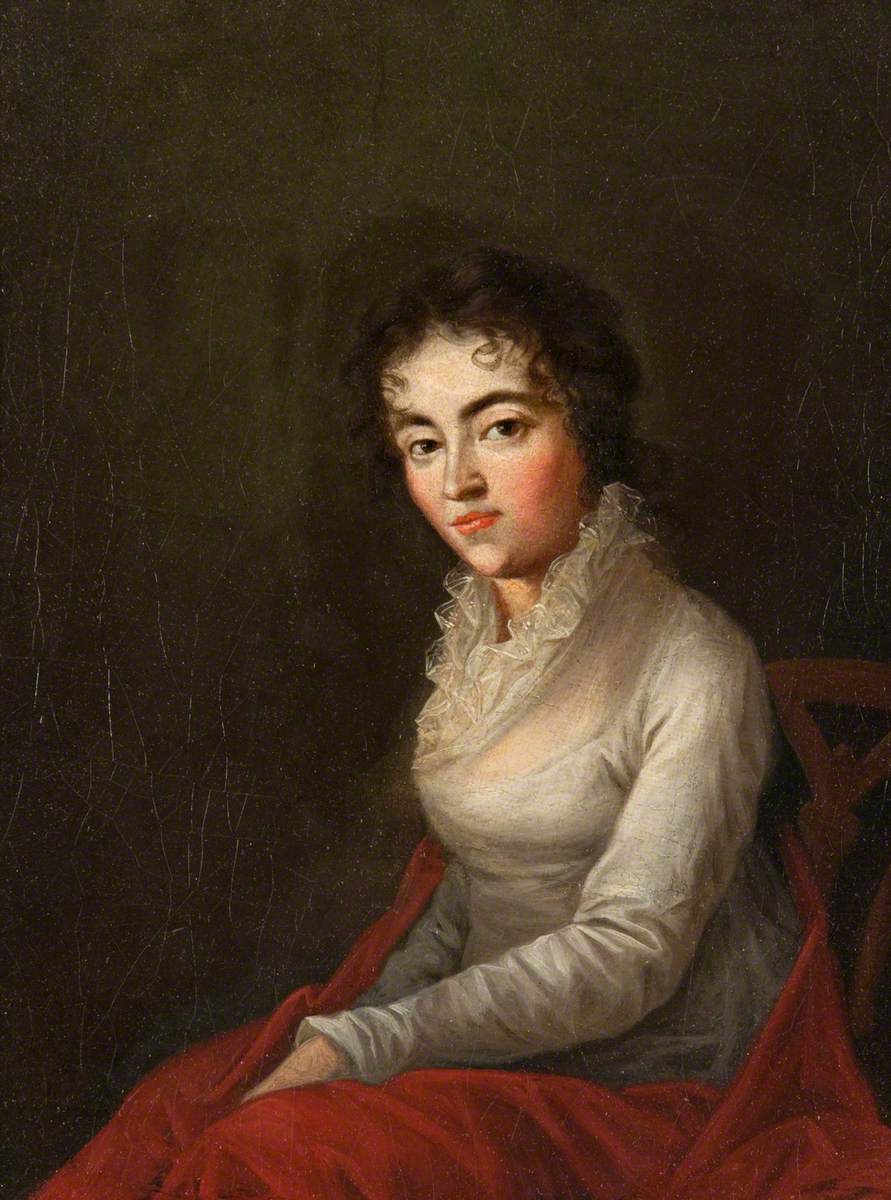
Those who did add the two things together, the name and the calendar, and drew the extreme conclusion, do exist and must be cited: Francis Carr, in the Mozart & Constanze of 1983 already mentioned, claimed that the child was Süssmayr’s son. Documentary research has not followed him: no paper, no letter, no deed supports that paternity, and the only way to establish it has never been tried and never will be. Franz Xaver Wolfgang died unmarried and childless, and with him the line ended. What remains are the facts, and the facts are three: the names in the register, the journey to Frankfurt, and a young man who all his life carried his father’s name like a banner, inheriting the trade without inheriting the luck.
There is a fourth fact, subtler, and it concerns silence. When Constanze, thirty years later, had her second husband Georg Nissen write the monumental biography of Mozart, published posthumously in 1828, Süssmayr’s name turned out to be almost absent from it: the man who had lived in the house, copied for her husband, completed the widow’s most famous work, slipped to the margins of the family book. It can be explained in many respectable ways: a quarrel that came after, embarrassment over a disputed completion, the wish to keep the Requiem as autograph as possible in the eyes of the market, as we saw in the instalment on the widow’s accounts. But for an inquiry selective silence is always a datum, never a coincidence. Nissen, who for all that handled the correspondence with scissors, as we saw in the previous instalment, opted for total pruning when it came to Süssmayr.
Melos holds to the line of instalment ten: the relationship is not proven, nor is the paternity, and this inquiry does not assert what the papers cannot bear. But the register of 26 July 1791 remains on file, and for the thesis we are proving it counts quite apart from any bedroom: it shows how deeply Süssmayr was inside that family in the summer when the Requiem was being commissioned. So deeply that, however one reads it, his name ended up on the son. Only one step was missing for it to end up on the work as well: and that is the step of the next instalment.
This chapter is part of Enrico Melozzi’s inquiry into the Requiem. Instalment twelve comes out on Sunday 4 October at 6:30 pm: the man who signed Mozart, or what Süssmayr gained from the completion. The inquiry remains collected, in full and for good, on its permanent page.