

by Enrico Melozzi
This is instalment nine of thirteen. The thesis is in instalment one and does not change. What follows is meant to prove it.
Vienna, December 1791. A twenty-nine-year-old woman with two children, the younger five months old, finds herself the widow of a famous and indebted man. From that day Constanze Mozart, née Weber, does the only sensible thing an eighteenth-century widow could do: she manages. And the story of the Requiem, from here on, reads better as an accounting ledger than as a novel. Let us say so right away, to clear the table: in this instalment there will be no trial of the person. Constanze saved the family, raised the children, lived to eighty as the impeccable administrator of her husband’s memory. It is the movements of money that interest us, with their dates, because they explain how the legend this inquiry is dismantling came to be.
First entry in the ledger: the delivery. In the early months of 1792 Count Walsegg receives the completed score, that workshop copy we know from instalment three, and pays what is owed. For the payment to arrive, the work must appear finished and by Mozart: this is the first economic interest, in order of time, to demand a Requiem completed by the dead man’s hand. Second entry: performances and copies. On 2 January 1793, in Vienna, a benefit concert for the widow presents the Requiem to the public, under the patronage of Baron van Swieten, almost a year before the commissioner performs it as his own at Wiener Neustadt. And a copy takes the road to Berlin: the court of Prussia, where Frederick William II reigns, pays the widow, according to the documentary tradition, four hundred and fifty florins. The exclusive bought by the count, in fact, no longer exists.
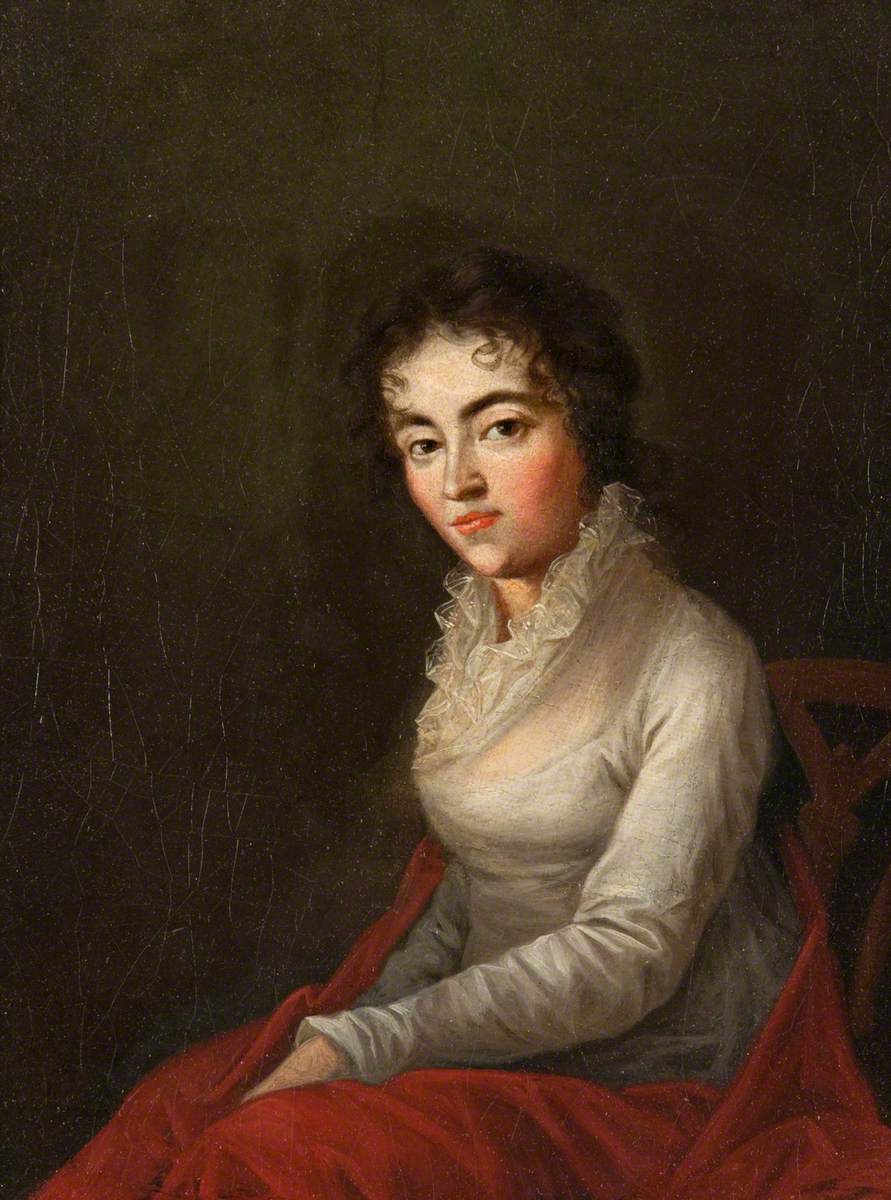
Third entry, the largest: printing. At the end of the decade Constanze negotiates with Breitkopf und Härtel of Leipzig the edition of her husband’s works, and in 1800 the Requiem is published. It is here that the ledger produces the most important document of the whole affair: the publishers, who want to know what they are selling, question the completer, and Franz Xaver Süssmayr replies with the letter of 8 February 1800: the Sanctus, the Benedictus and the Agnus Dei are entirely his, the final fugue is that of the Kyrie repeated, and with Mozart, he adds, he had discussed the working out of the piece very often. In the same months the widow offers versions that do not fit together: now Süssmayr had precise instructions from Mozart, now only scraps of paper, now almost nothing; and in the 1800 print the completion is not declared. These are the oscillations of someone who must sell an object whose value depends on how much of the dead man’s hand it contains: the more Mozart there is, the more the object is worth. The public polemic breaks out on cue in the music gazettes, and Count Walsegg, outflanked, mulls a lawsuit and lets it drop.
Fourth entry, the longest: memory. In 1809 Constanze marries the Danish diplomat Georg Nikolaus Nissen, and together they build the great posthumous biography, published in 1828, in which the anecdotes of the last months take the form the world knows: the presentiment, the feverish work, the Requiem written for himself. There is no need to accuse anyone of lying: it is enough to notice that every entry in this ledger, from the delivery of 1792 to the biography of 1828, pushes in the same direction. A Mozart who dies composing his own Requiem is worth more, on the market of scores and on that of memory, than a professional who organises a delivery with his workshop. The legend was not born from nothing: it was born from a balance sheet, and it was, it must be acknowledged, an honest balance sheet by the customs of the time, kept by a woman alone who was defending two children.
The last fact is a question with an accounting answer. Who benefited from the tragic Mozart? The commissioner, who had paid for a finished masterpiece. The widow, who was selling an original as autograph as possible. The publisher, who was printing a myth. Everyone, except the truth of the workshop.
This chapter is part of Enrico Melozzi’s inquiry into the Requiem. Instalment ten comes out Monday 28 September at 6.30 pm: the summer of 1791 in Baden, where Süssmayr was beside Constanze.