

by Enrico Melozzi
This is instalment twelve of thirteen. The thesis is in instalment one and does not change. What follows serves to prove it.
The last page of the working score of the Requiem, K 626. Via Wikimedia Commons (public domain).
Vienna, December 1791. Mozart died on the 5th, and his widow has in her hands the problem this inquiry measured in florins in the instalment on the accounts: a requiem paid for by half must be delivered finished, or the balance evaporates and the advance may have to go back. And here is the detail that almost no Romantic version tells: the first name attached to the completion is not Süssmayr’s. On 21 December 1791, sixteen days after the death, Joseph Eybler, twenty-six years old and so well regarded in the household that in 1790 Mozart had signed a letter of recommendation for him, puts his name to a formal declaration to the widow: he will complete the mass for the dead by mid-Lent. He orchestrates some movements, reaches the Lacrimosa, adds two bars, stops, and returns the manuscript gatherings. He will never explain why.
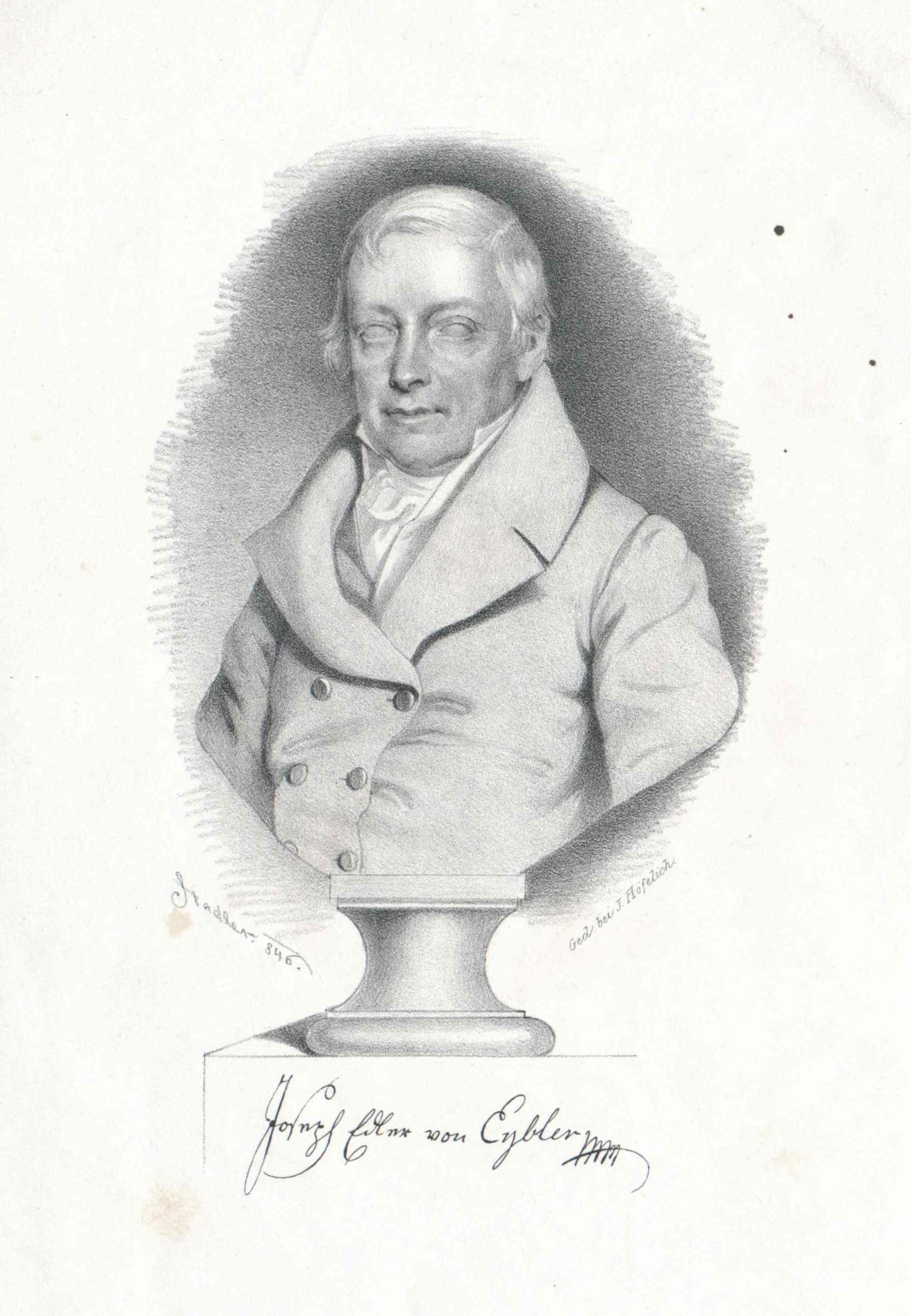
The real question of this instalment is another one, and it is an investigator’s question: why not Süssmayr straight away? The man who had copied for Mozart, who had drafted the recitatives of La clemenza di Tito for him, as we saw in the instalment on the workshop, who had been at Baden beside Constanze, as we saw two instalments ago, who by his own letter of 1800 had discussed the working-out of the piece with Mozart again and again: the natural candidate, passed over for an outsider. No document answers. There are two hypotheses on the table, and they do not exclude each other: a recent coolness between the widow and the factotum, of the kind that the later silences of the Mozart household make plausible; or the calculation of entrusting the work to a more presentable name, falling back on the man of the house when the outsider pulled out. However it went, the gatherings came back to the family table. Delicate matters, in that house, always ended up there.
What Süssmayr delivered, this inquiry has already established in the musical instalments: the Lacrimosa carried through from the ninth bar, and the three missing numbers, Sanctus, Benedictus, Agnus Dei, which instalment seven showed to have been built on the fixed text of the mass and on the pantry of existing Mozartian material. What interests us here is the how. Süssmayr’s musical hand resembled Mozart’s to the point of deceiving copyists, editors and scholars for generations: a workshop talent, trained by eight hours a day of copying, which made the delivered score visually uniform. On that resemblance the trade in the autograph would rest for decades.
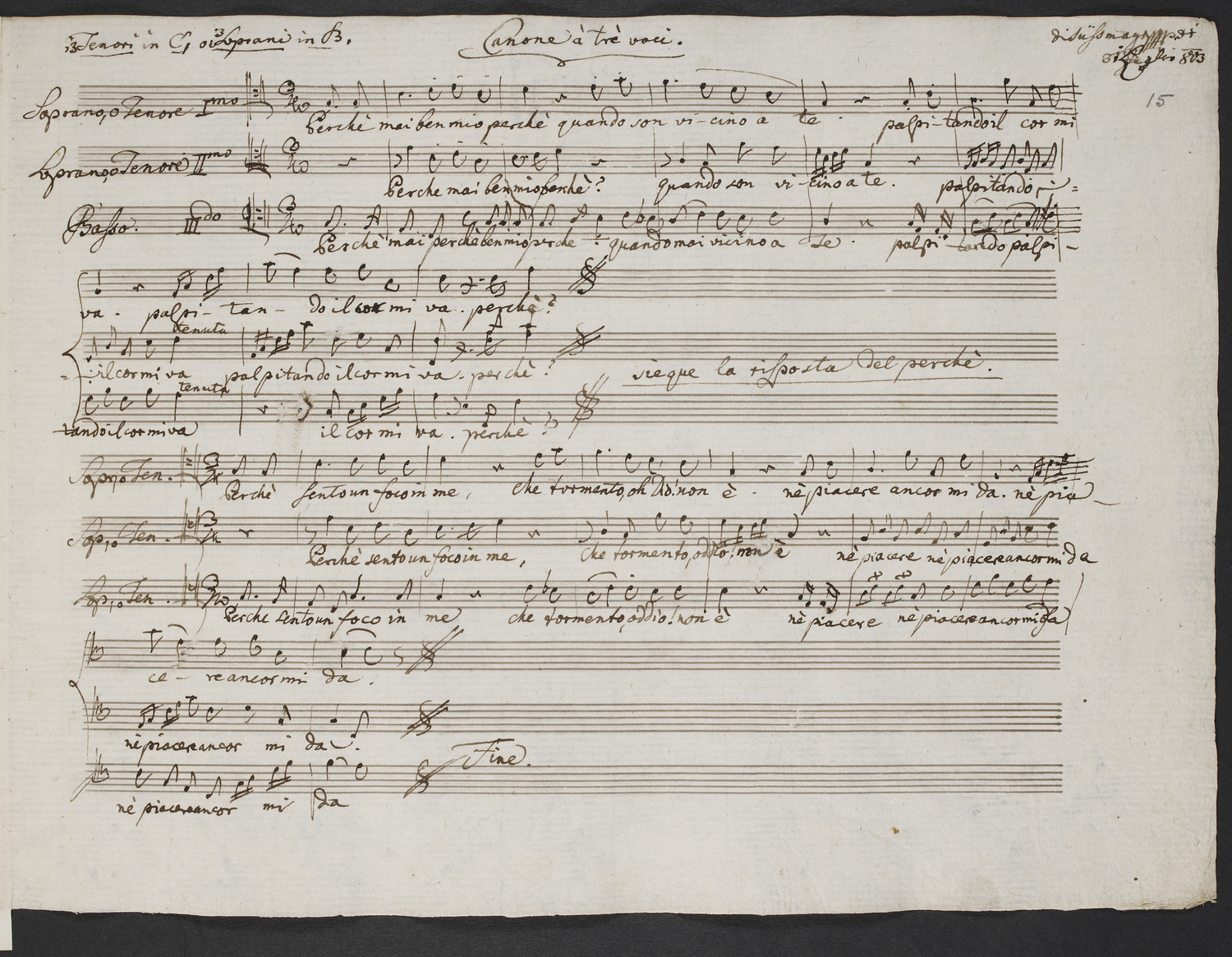
Then there is the signature, and here the word workshop no longer suffices. On the title page of the score delivered to Count Walsegg, the one from the society games of instalment four, it is written: di me W. A. Mozart mpria, with the date 1792. Mozart, in 1792, had been dead for weeks. Studies of the handwriting attribute that signature, in all probability, to Süssmayr’s hand. The count received a finished, autograph masterpiece, paid the balance, and in the widow’s books the commission stood honoured. A spurious signature on a work sold as autograph: if you were looking for the exact moment when the Romantic version of the Requiem is born from a commercial act, this is it.
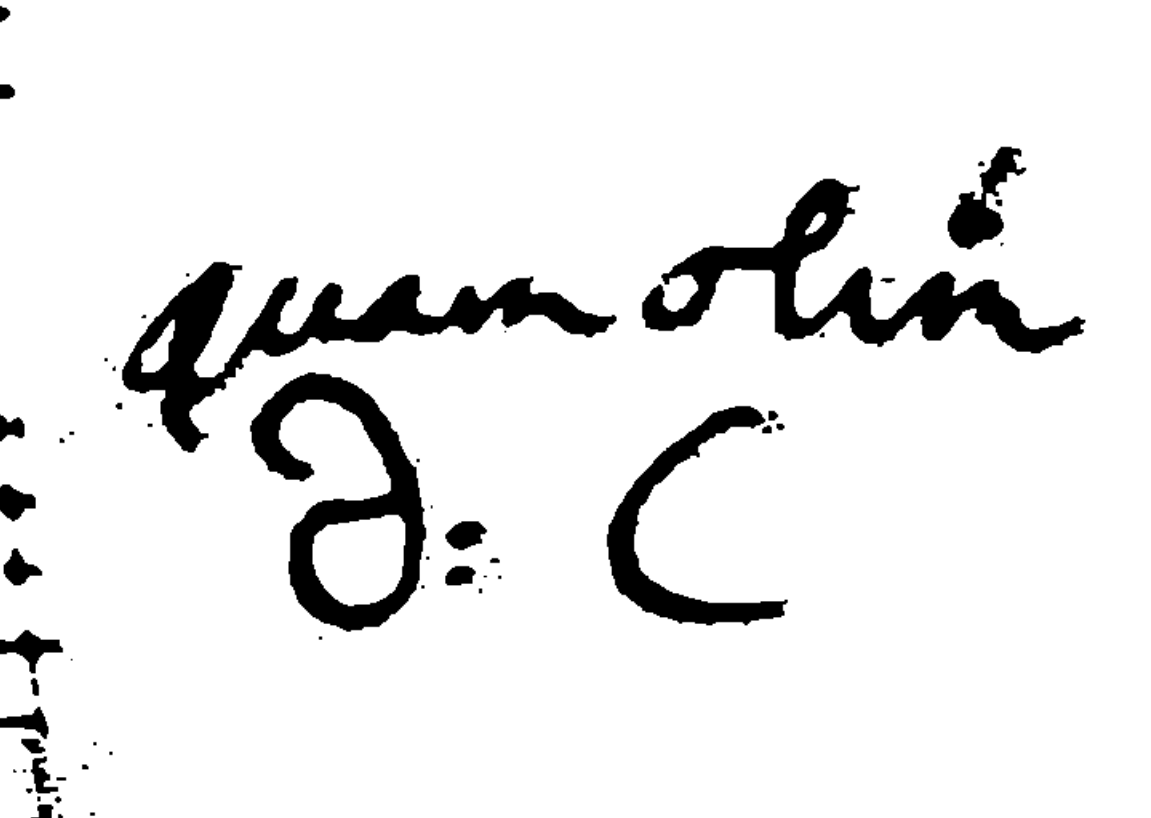
And Süssmayr? No record of his payments in money from the widow exists: the florins of the commission, as we have seen, took other routes. But he was paid all the same, in a better currency. In 1792 the young man is recorded as perfecting his craft with Salieri, the emperor’s Kapellmeister. In 1794 he is Kapellmeister of the German opera at the court theatre, the Kärntnertortheater, and his Singspiel Der Spiegel von Arkadien is one of the Viennese successes of the year. In three years the copyist of the Mozart household has become a musical official of the empire. And when in 1800 the Leipzig publishers ask him to account for the Requiem, he can sign the letter in which he claims three entire numbers of the most famous sacred composition in Europe. The version of the Requiem that the world will sing for two centuries, down to the line of reconstructors in the next instalment, bears his hand in every bar.
The end of his story is swift and inglorious. His relations with the widow soured: in the years of the editions Constanze played down his contribution at every useful opportunity, and the family biography, as we saw in the previous instalment, would consign him almost to silence. He died on 17 September 1803, aged thirty-seven, and the register of deaths records the cause: Lungensucht, consumption of the lungs. He saw neither the Romantic myth of the Requiem nor the posthumous fame of his own name, which every concert programme in the world now prints beside Mozart’s, almost always with the wrong label: the pupil. The papers tell another story: the boy of the house, the one of the jokes in the letters, of the names in the baptismal register and of the signature on the title page.
For the thesis of this inquiry, the balance is clear. The completion of the Requiem was not a desperate rescue entrusted to the first person who came along: it was a domestic operation, kept inside the perimeter of the family and the workshop, exactly like the delivery Mozart had set up while he was alive. If the three numbers were to be derived from existing Mozart music, as this inquiry has maintained since instalment one, the right man for the job was the one who knew the household pantry better than anyone. The choice of Süssmayr is not the stopgap the legend tells: it is the last confirmation that the Requiem was a delivery to be honoured, not a relic to be venerated.
This chapter is part of Enrico Melozzi’s inquiry into the Requiem. Instalment thirteen, the last, comes out on Wednesday 7 October at 6:30 pm: more than two centuries of reconstructions, and the announcement of the one that is missing. The inquiry remains collected, in full and for good, on its permanent page.