

The ranking is aform of composition
Eleven season programmes read line by line: twenty-six titles repeat, and not out of love for the repertoire.
 Opening photograph
 Advertisement · a new project by Enrico MelozziThe Classical Rave PartyClassical music has never been so punk.Enrico Melozzi· Orchestra Notturna Clandestina · Niccolò Fabi · Giovanni Sollima · Alessandro Baricco · Anastasio · Fasma · Elsa Lila · Italian Army BandSunday 15 November · Sala Santa Cecilia, Auditorium Parco della Musica, Rome · Romaeuropa FestivalTickets on TicketOne from €30 →
Latest articles
Full archive Photograph
News
Mozart did not write the last page of Don Giovanni
Folio 270 of the autograph is in the hand of a copyist whose name nobody knows. It is no accident: it is how an opera was made.
Performers
In 2018 an orchestra played for twelve hours in a squat. On 15 November it plays at Santa Cecilia.
From a twelve-hour rave in an occupied building in 2018 to the biggest hall in Italy: on 15 November 2026 the Orchestra Notturna Clandestina closes the…
 Photograph
 Photograph
New Works
In 1752 Quantz measured musical tempi by the beat of the pulse
The treatise that tells us how music was really played: cadenzas within a single breath, uneven notes, and a chapter on how to judge a performance.
The System
If the second violins are on the right, someone has decided something
The layout of the orchestra is not natural: it is a twentieth-century choice made for the microphones. What is lost and what is gained.
 Photograph
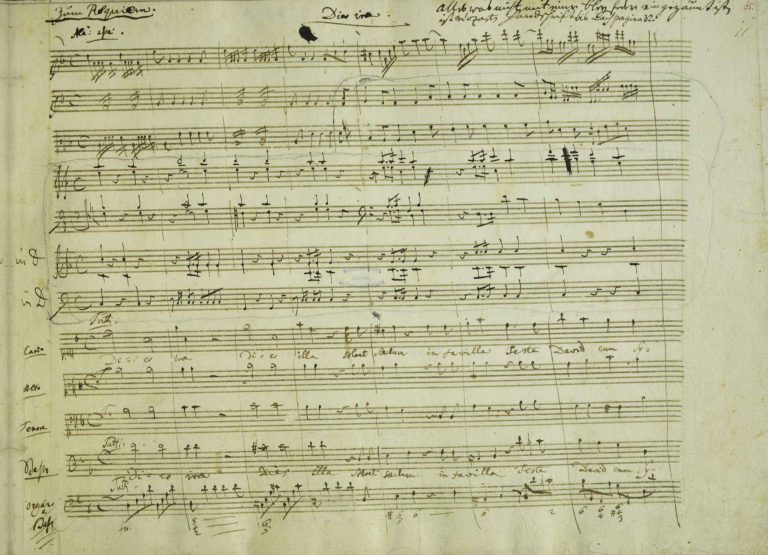
The investigation: Mozart’s Requiem
Thirteen instalments, here for good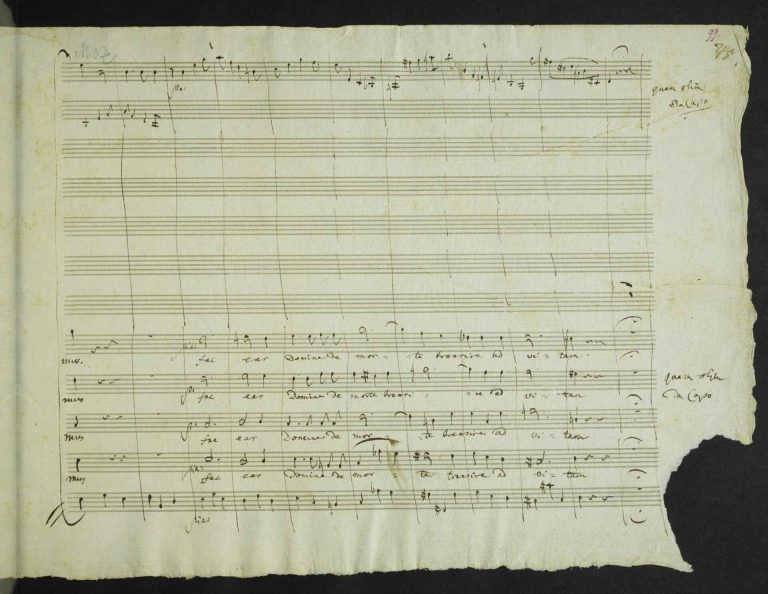
Worth rereading
Eight pieces that endureHistory & Technique
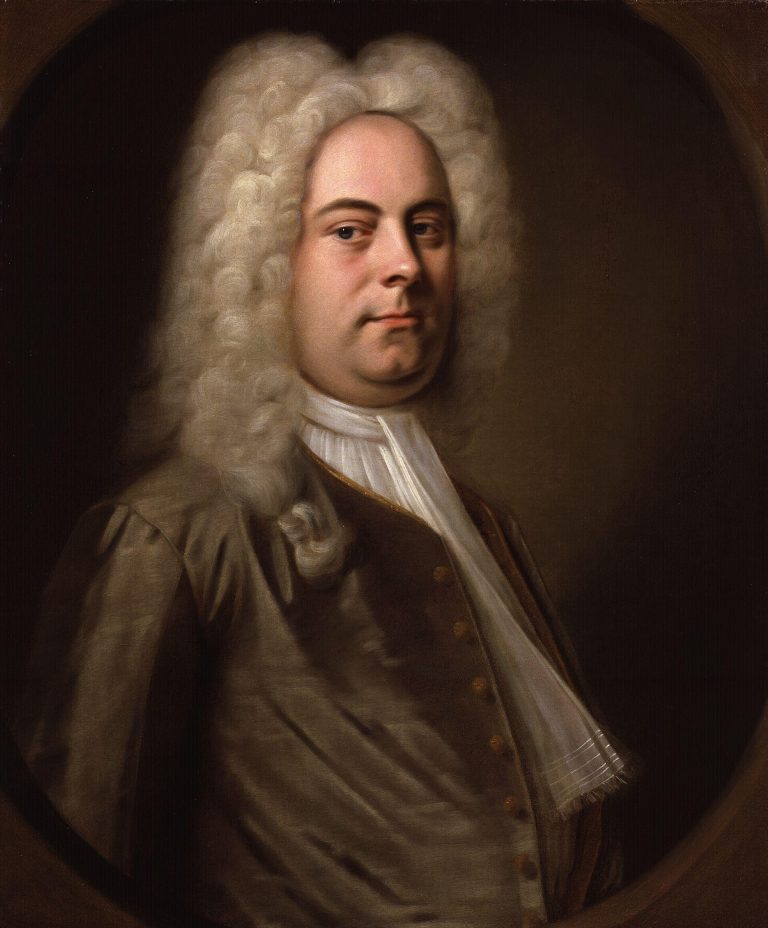
John Taylor, the Chevalier Who Blinded Bach and Handel
History & Technique
The Repertoire Is a Chart: Pachelbel, Albinoni and the One-Hit Composers
History & Technique
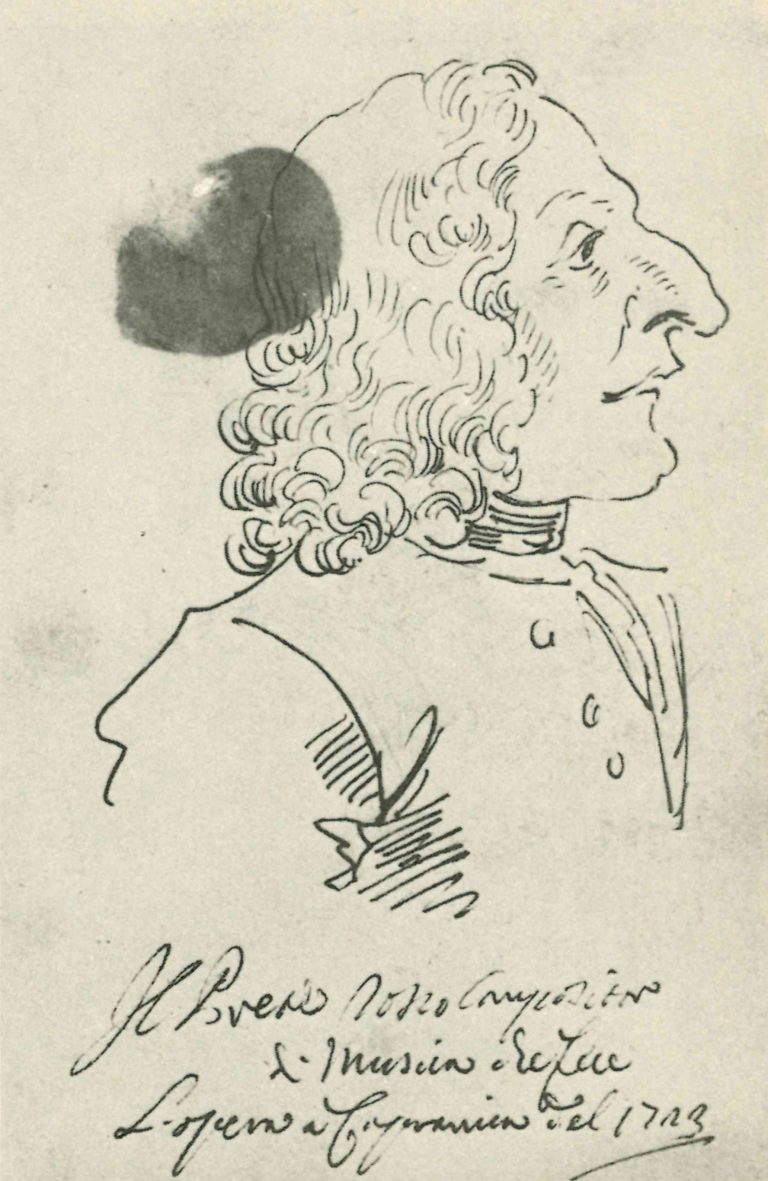
Vivaldi’s Funeral Bill Survives. It Says Nobody Sang.
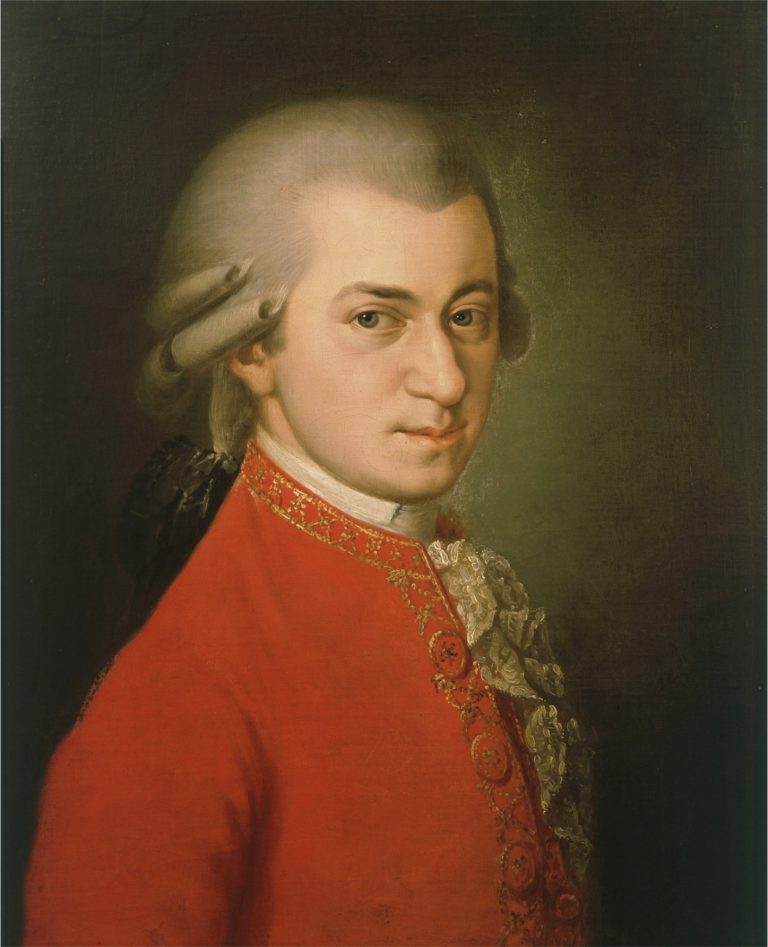
History & Technique
Mozart Wasn’t Buried as a Pauper. A Law Buried Him.
Long read
In Brussels in 1958, Someone Cut Four Words Out of Mozart’s Requiem
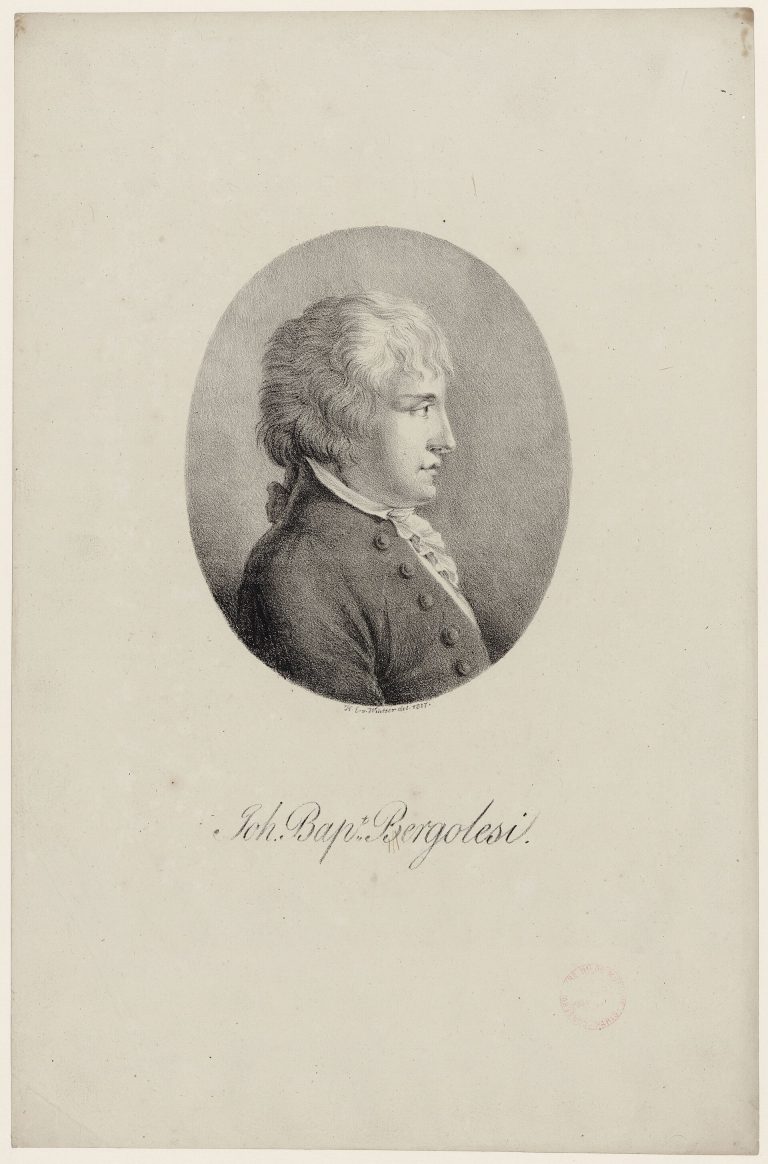
History & Technique
Stravinsky's Pulcinella Staged Pergolesi in 1920. Almost None of It Was Pergolesi.
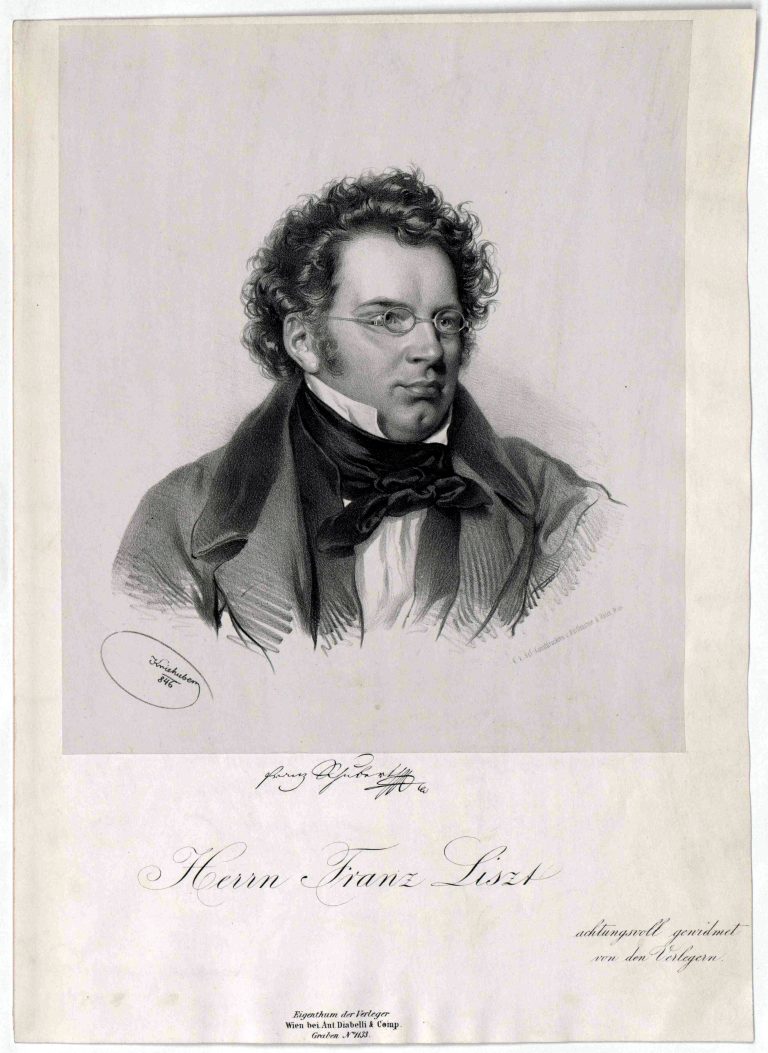
History & Technique
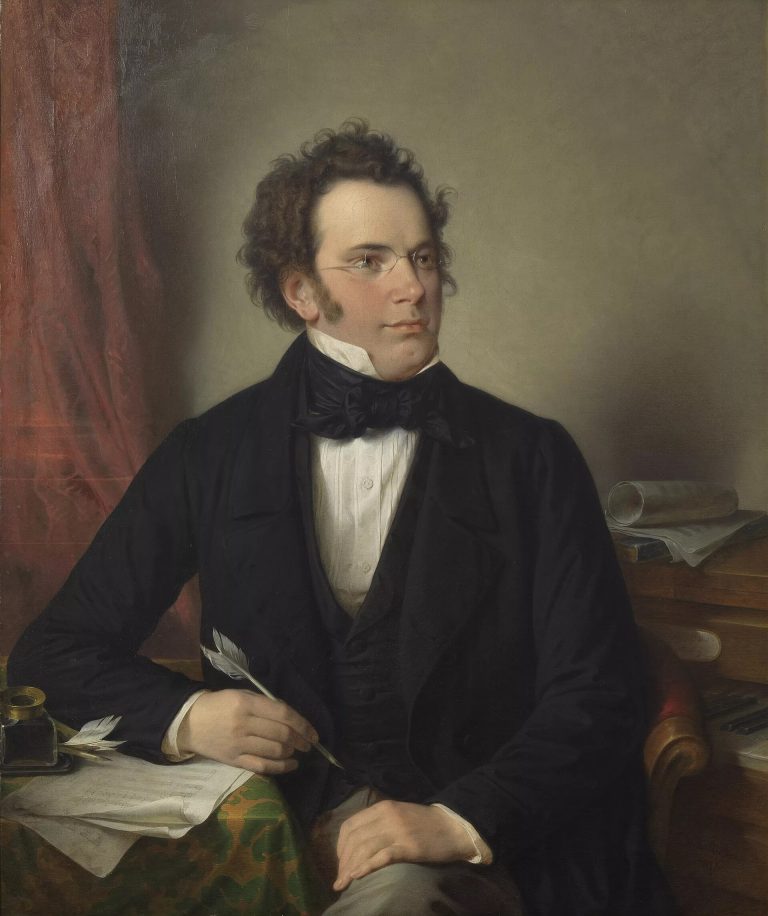
Schubert Died at Thirty-One and Left Sixty-Three Florins of Belongings
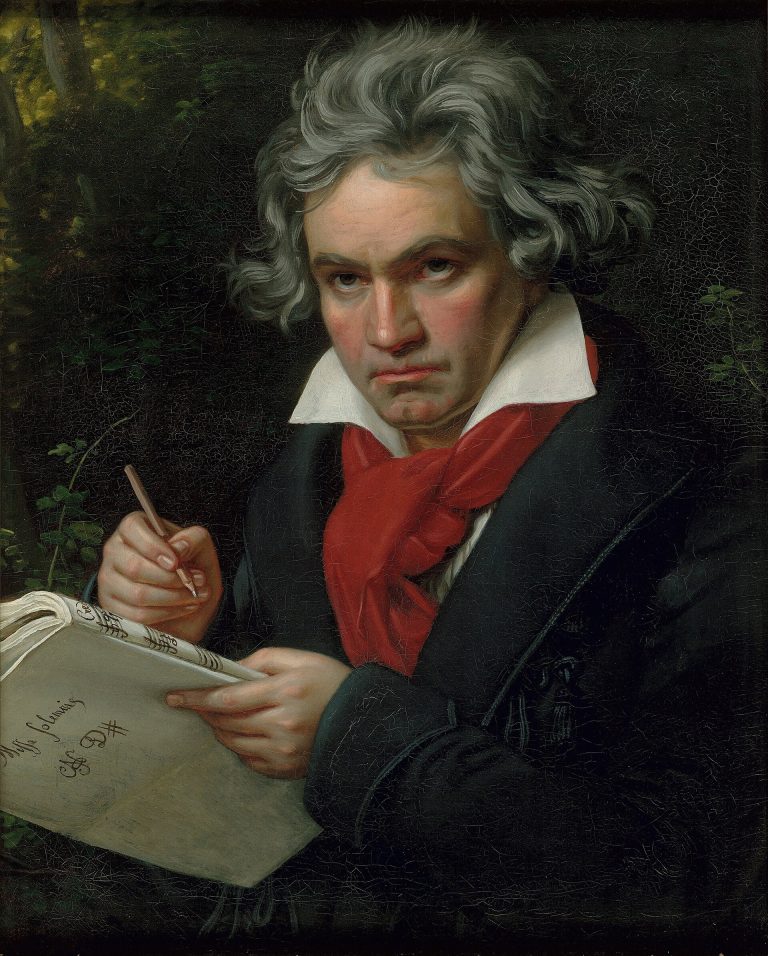
History & Technique
Beethoven's Heiligenstadt Testament, and the Cheerful Symphony He Was Writing
The Grand Piano
 Large photograph
Conservatoires and the System
The Opera of the Living
For drama the State demands living authors. For opera it does not ask for a single title written by a living person. A bill in eleven…
The repertoire must be cut by half
Half historic titles, half new works in publicly funded seasons. The three predictable objections, and a permanent Tosca in Rome to pay for…
The répétiteur knows the opera better than anyone, and is not on the poster
Sight-reading an orchestral score, teaching the parts, conducting the offstage band from behind a backdrop.
At Sant’Onofrio forty boys played different pieces in the same room
On 16 October 1770 Charles Burney arrives in Naples. Two days later Piccinni gives him the figures: four hundred and ten boys in three conservatoires. Then…
In 1926 a Salesian college sold some old volumes. They were Vivaldi.
Twenty-seven volumes in Turin, thirteen in Genoa, four years of negotiations and two bankers. That is where today’s Vivaldi comes from.
Toscanini conducted the first Aida from memory because he could not see
The encore abolished, the lights dimmed, the hat removed. What we gained and what we lost when the text became untouchable.
The repertoire is no heritage if you play it so you won't have to think about it.
Editorial · Issue One
On the programme
The Classical Rave Party · Rome, 15 November
Performers
 Portrait
Clara Schumann invented the concert as we know it, and lost out for it
Cello
 Portrait
Boulanger read Piazzolla’s symphonies and told him there was nobody inside
Viola
 Portrait
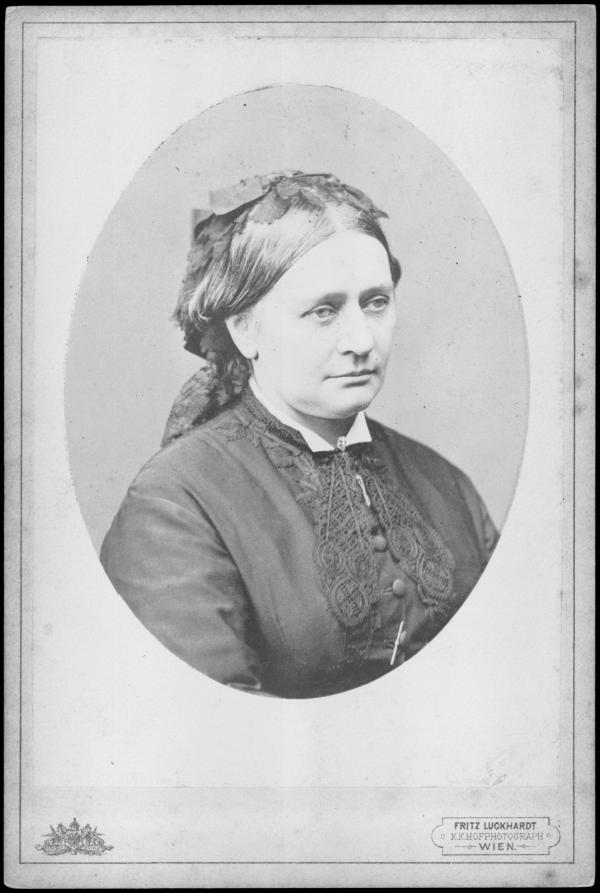
Clara Schumann invented the concert as we know it, and lost out for it
Organ
 Portrait
Sonata form can be recognised with three numbers on a sheet of paper
Conducting
An audience is lost one evening at a time, and won back at the same pace.
Letter to the artistic director
Long read
The country with the most theatres in Europe and the fewest seasons to fill them
Two thousand historic halls surveyed, four hundred with a regular programme. We followed four municipalities for a year.
 Photo reportage
The first municipality reopened its theatre in 2019 and has since hired it out to anyone who asks: seven dates of drama, two concerts, a dance recital. The second closed it for fire-safety compliance work and never reopened it.
In the third, the season is run by a volunteer association that pays musicians a percentage of the box office. In the fourth it is run by the town band, the only body with a constitution and a budget.
What is missing is not the audience: it is someone to programme. A theatre without artistic direction becomes a rehearsal room with red seats, and no council resolution can replace the work of the person who chooses the titles.
The question we carried with us all year is simple: who decides what is heard in the provinces, and with what expertise?
Opinion
 Photo
Editorial board
Editorial
The Opera of the Living
For drama the State demands living authors. For opera it does not ask for a single title written by a living person. A bill in eleven artic
 Photo
Technical desk
Acoustics
In 1888 a competition by post produced Cavalleria rusticana
A televised festival of new operas, twelve titles in competition and a prize that is a real production. With a contest among theatres in place of the obli
 Photo
Observatory
Training
The repertoire must be cut by half
Half historic titles, half new works in publicly funded seasons. The three predictable objections, and a permanent Tosca in Rome to pay for the
History & Technique
 Photo
Listening
Rossini signed the contract in December and it opened in February
The impresario system: operas written to measure for the singers, declared reuse, thirty-nine titles in nineteen years.
 Photo
Instruments
Haydn’s contract with the Esterházys: white stockings, powder, and the music is not yours
1 May 1761, fourteen clauses. Present yourself in the antechamber twice a day and ask whether you are needed.
 Photo
Library
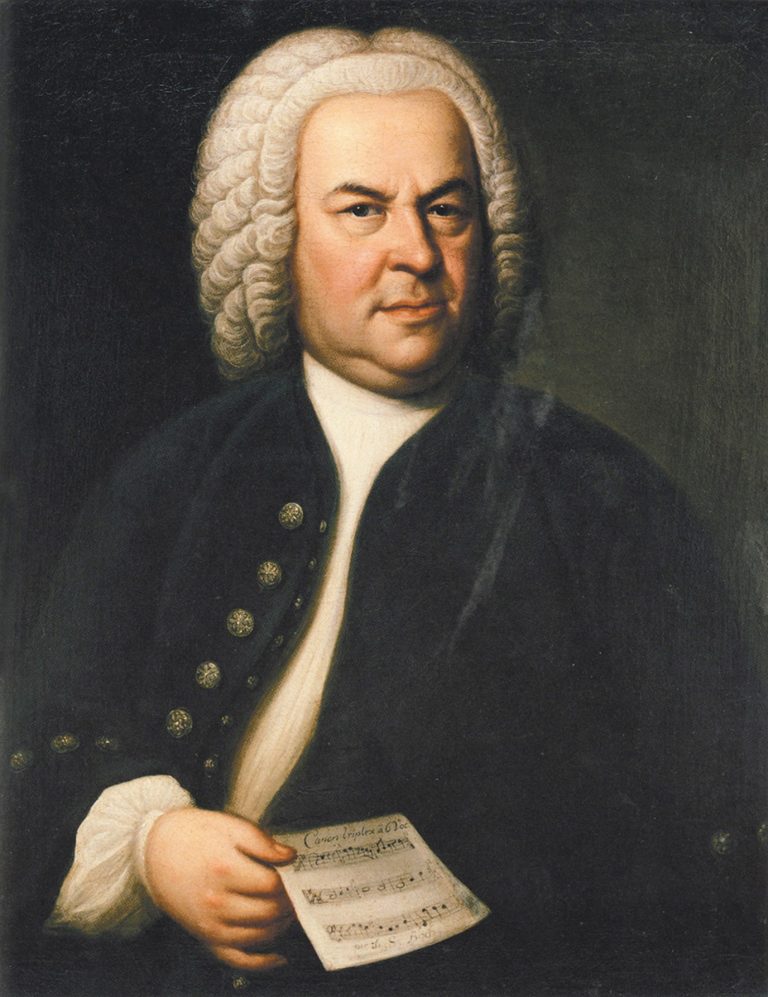
Bach asked for four weeks’ leave and came back after four months
Arnstadt 1705, four hundred kilometres to Lübeck and the consistory minutes that fault him for foreign notes.
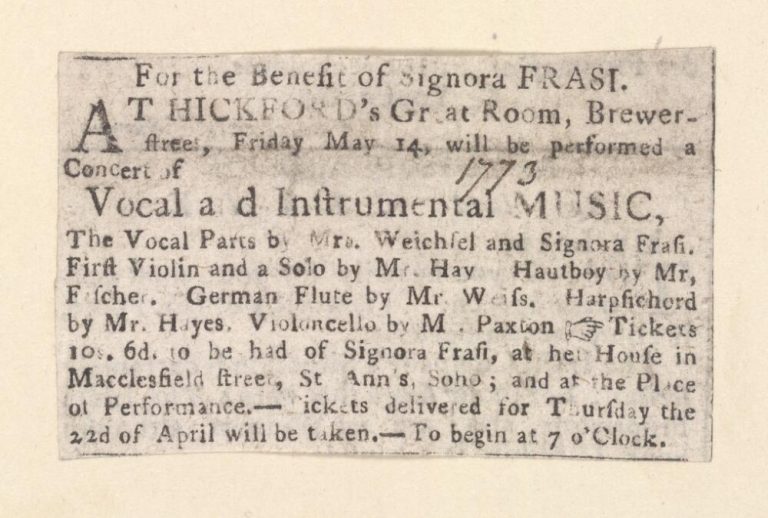 Photo
Acoustics
Schubert died at thirty-one leaving sixty-three florins’ worth of belongings
The judicial inventory of December 1828, item by item. The manuscripts valued at ten florins, and not a piano in the house.
Dossier · working in music
All instalments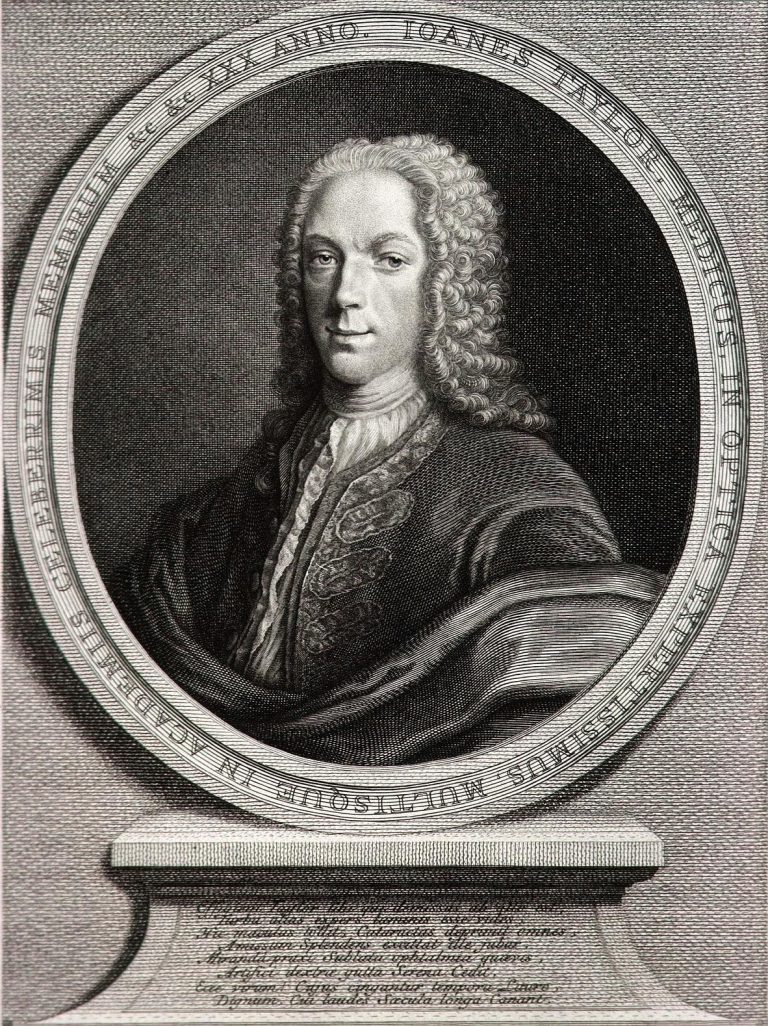 Dossier photograph
First instalment
The first salaried women musicians in Europe were orphans, and the surname was the instrument
Anna Maria dal Violin, Pellegrina dall’Oboe. At the Pietà in Venice music was not charity; it was the economic engine of the house.
 Dossier photograph
Second instalment
Ricordi began by copying parts. In 1814 he took the archive of La Scala.
The trade that kept music production going, and why those who copied ended up owning the works.
 Dossier photograph
Third instalment
Six physical differences between a period and a modern orchestra
Gut instead of metal, convex bow, vibrato as a spice, lower string tension, valveless brass, twenty players instead of sixty.
Reviews
 Record
The deceptive cadence is not a mistake. It is how music buys time.
Four languages accuse it of deceiving, breaking, escaping, interrupting. How it works and how to recognise it by ear.
 Scene
The Heiligenstadt Testament, and the cheerful symphony he was writing
6 October 1802. Four pages he does not post, while he finishes the Second in D major.
 Concert
In 1920 Stravinsky staged Pergolesi. Almost none of it was by Pergolesi.
Paris, Opéra, 15 May 1920. Picasso curtain, Ansermet’s baton, and a single name on the programme. It will take fifty years of archive to…
Crossover
Pop and rock remain a satellite, not a shortcut. They come in when there is a real musical question.
You defend tradition by writing new music, not by reprinting posters.
Manifesto · Melos
A score nobody picks up again has stayed a document.
Editor’s note
From the library · public domain
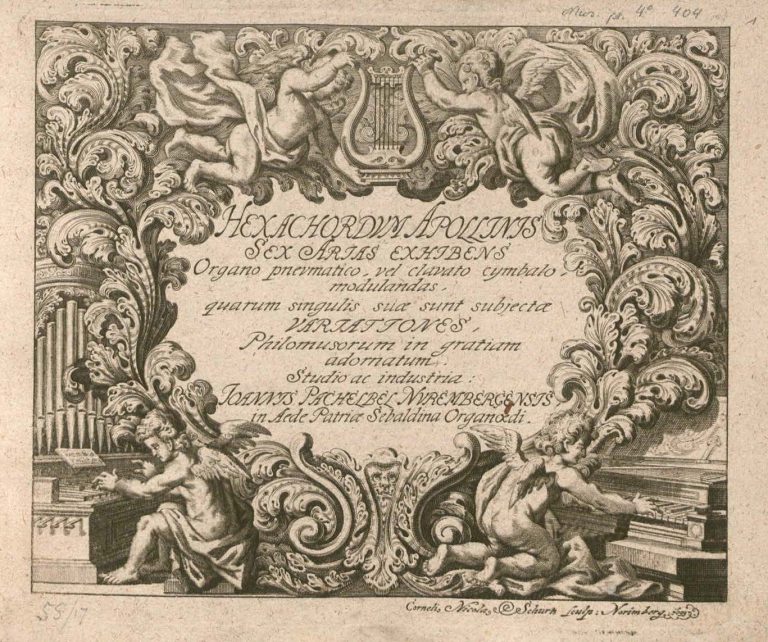 Title page
Mozart did not write the last page of Don Giovanni
1710
 Title page
In 2018 an orchestra played for twelve hours in a squat. On 15 November it plays at Santa Cecilia.
1768
 Title page
In 1752 Quantz measured musical tempi by the beat of the pulse
1801
 Title page
If the second violins are on the right, someone has decided something
1839
 Title page
Behind the screen the CV does not count, the sound does
1894
Newsletter
One issue a month, no other email.